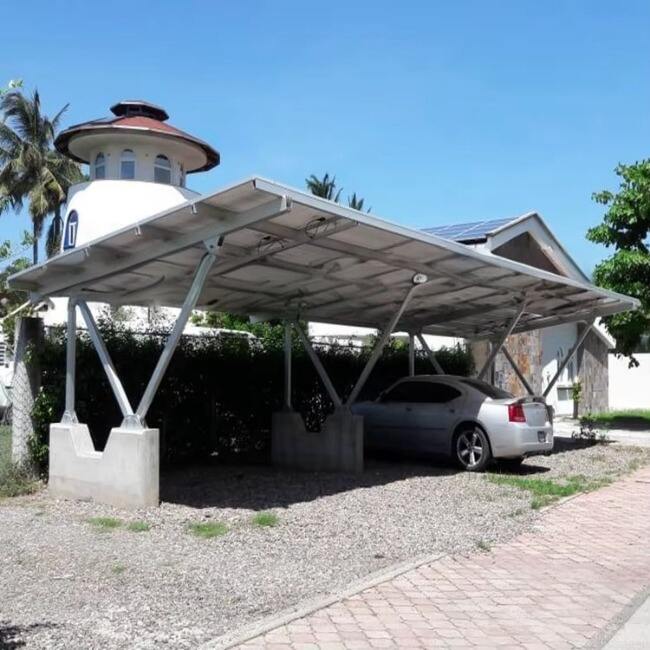
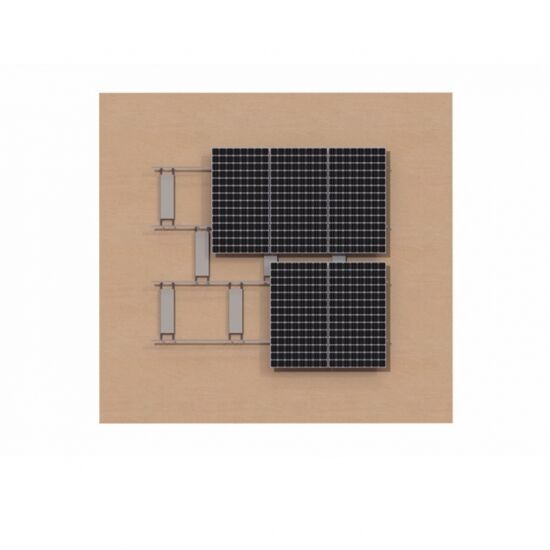
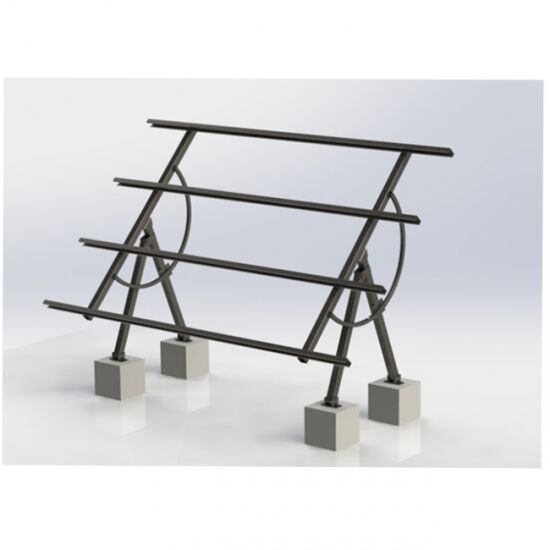
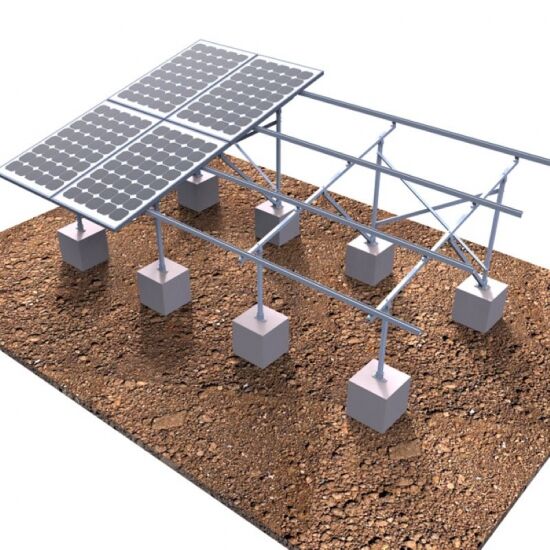
Когато оптималното производство на енергия, мащабируемостта и дългосрочният достъп са от решаващо значение, се избира система за монтаж на соларни панели на земята се оказва по-добрият структурен избор за фотovoltaични (PV) инсталации. Този подход включва строителство на самостоятелен масив на открито, напълно независим от всяка сградна конструкция. За собствениците на имоти с разполагаемо пространство – било то селска къща, земеделско поле или индустриална площ – този метод разкрива значителни предимства, които системите, монтирани на покрив, не могат да предложат. В Sunforson нашата система за наземно монтиране SunRack е проектирана от земята нагоре (буквално), за да използва тези предимства, като едновременно решава стриктно уникалните структурни и логистични предизвикателства на инсталациите, базирани на земя.
Първостепенното предимство на наземна система за монтаж на соларни панели на земята е неограничената възможност за оптимизиране на фотovoltaичния масив с цел максимален добив на енергия. Инженерите могат прецизно да зададат ъгъла на наклона, съответстващ на географската ширина на обекта и сезонния път на слънцето, и да ориентират панелите към истинския юг (в Северното полукълбо) или север (в Южното полукълбо), без компромиси. Това премахва загубите в производството, присъщи на подобрани ъгли или ориентации на покриви. Освен това наземните системи намаляват проблемите със сенките от комини, вентилации или съседни сгради, които често усложняват проектите на покриви. Резултатът е по-висок енергиен изход на инсталиран ват, което води до по-бърз период на възвръщаемост и по-голяма дългосрочна печалба, особено важно за търговски и големи инсталации.
Инженерството на надежден система за монтаж на соларни панели на земята започва под повърхността с основата. Изборът на основа е от решаващо значение и се определя от анализ на почвата, местния климат (дълбочина на замръзване) и изчисления на натоварването. Системите SunRack са съвместими с няколко водещи типа основи. Хеликоидните пилоти или земни винтове са популярен избор поради бързината на монтажа и минималното разместване на почвата; те се завинтват в земята, осигурявайки отлична устойчивост срещу изтръгване от вятъра. За скалисти терени или по-високи изисквания за натоварване могат да се използват забивани стоманени пилоти или бетонни противотежести. Тази гъвкавост гарантира сигурна, постоянна основа в различни географски области – от меки почви до предизвикателни, неравни ландшафти.
Над земята самата конструкция трябва да бъде изградена така, че да издържа. система за монтаж на соларни панели на земята е изложен на пълното въздействие на атмосферните условия — силни ветрове, тежки снежни натоварвания и постоянни термични цикли. Системите ни SunRack са изработени от висококачествени алуминиеви сплави със сертифициран произход за основните релси и рамки, които предлагат идеално съотношение между здравина и тегло и изключителна устойчивост на корозия. Всички критични фиксиращи елементи са от високопробна неръждаема стомана, за да се предотврати заключването и ръждането. Цялата конструкция е проектирана с използване на напреднали софтуерни модели, за да отговаря на международните строителни норми (като IBC и ASCE 7), осигурявайки устойчивост към специфични за местоположението ветрови и снежни натоварвания в продължение на 25 или повече години.
От практическа гледна точка, монтажът и поддръжката на система за монтаж на соларни панели на земята са обикновено по-прости в сравнение с монтаж на покрив. Няма нужда да координирате действията си с покривни предприемачи или да преминавате през крехки покривни мембрани. Монтажът, често включващ предварително сглобени компоненти за окачване, може ефективно да се извършва на земята, което подобрява безопасността на работниците и намалява времето за инсталиране. Освен това бъдещото поддържане, почистване или дори разширяване на системата са значително по-лесни, тъй като всички компоненти са лесно достъпни. При приложения в земеделието тази конструкция може да бъде повдигната, за да се позволи двойна употреба на земята, например пасене или отглеждане на култури под панелите — концепция, известна като агриволтаика.
Осъществяването на успешен система за монтаж на соларни панели на земята изисква внимателно планиране относно разстоянието между редовете (за избягване на сенчестост между редовете), отводняването и сигурността. Екипът за техническа поддръжка на Sunforson осигурява всеобхватни услуги по подреждане и инженерни изчисления, за да се гарантира оптималната производителност и дълготрайност на вашата система. За проекти със специфични изисквания – като зони с екстремни ветрове, определени височини на разстояние от земята или интеграция с компоненти на системи за проследяване – нашият инженерен екип може да разработи персонализирани адаптации на стандартната конструкция SunRack система за монтаж на соларни панели на земята . За да получите подробен проект на системата и конкурентно оферта, адаптирани към местоположението, размера и конкретните цели на вашия проект, моля, свържете се с нашите консултанти по слънчева енергия, като предоставите данни за обекта.

 EN
EN