
 EN
EN



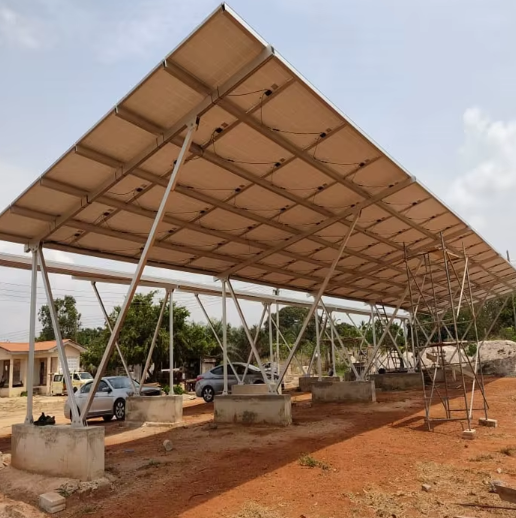
The global transition towards sustainable energy has elevated solar carports from a niche application to a mainstream solution for businesses, institutions, and large scale residential complexes. A solar carport ingeniously combines sheltered parking with clean energy generation, maximizing land use efficiency. However, the design process is multifaceted, requiring careful consideration of the photovoltaic modules themselves, structural integrity, and long term performance. For projects utilizing either traditional framed modules or lightweight thin film modules, the approach must be tailored to harness the strengths of each technology. As a leading solar mounting product supplier with extensive international experience, Sunforson understands that a successful solar carport installation hinges on a design that is robust, compliant, and optimized for its specific components.
Understanding Your PV Module Technology
The choice between framed and thin film modules significantly influences the structural and mechanical design of your solar carport.
Framed Modules
Framed photovoltaic modules are the most prevalent type in the market. They are characterized by their rigid, aluminum framed construction and glass frontsheet. Their weight and stiffness are key design factors. When designing a solar carport for framed modules, the mounting system, such as the SunRack Carport solution, must provide secure clamping mechanisms that hold the frames firmly without compromising their integrity. The design must account for the dead load of these heavier panels and ensure the structure can support them across the required spans. The rigidity of framed panels also allows for standard tilt angle adjustments to optimize seasonal energy yield.
Thin Film Modules
Thin film solar modules offer a distinct set of advantages and considerations. They are significantly lighter and more flexible than their crystalline counterparts. This lightness reduces the dead load on the carport structure, potentially allowing for wider spans or less robust supporting materials. However, their mounting method is different. Thin film modules often require bonding or specialized framing kits for attachment, as they lack the traditional rigid frame. Designers must select a carport structure that accommodates these alternative mounting techniques. Furthermore, thin film panels can have different temperature coefficients and performance characteristics in diffuse light, which might influence the spacing and tilt angle decisions to prevent shading and maximize their particular efficiency.
Key Design Considerations for a Robust Solar Carport Structure
Beyond the modules, the carport structure itself is the backbone of the project. A well engineered design ensures safety, durability, and cost effectiveness over decades of service.
Structural Load Analysis and Material Selection
A paramount first step is a comprehensive structural load analysis. This includes calculating dead loads (the weight of the structure and modules), live loads (such as snow accumulation), and critical wind loads, both upward and downward. Engineering standards vary by region, and a reputable supplier like Sunforson relies on technical experts well versed in international building codes to ensure compliance in diverse markets like Thailand, Vietnam, Nigeria, and beyond. Material selection follows this analysis. Galvanized steel or aluminum are common choices for their strength and corrosion resistance. The SunRack Carport system, for instance, is engineered using high grade materials suited to withstand harsh environmental conditions while maintaining structural integrity.
Drainage, Clearance, and Compliance
Functional design is crucial for user acceptance. The roof plane must be designed with adequate drainage to prevent water or snow pooling. Minimum height clearance for vehicles must be maintained consistently across the entire canopy. Furthermore, designs must comply with all local zoning regulations, building codes, and electrical codes. This is where having a partner with global project experience becomes invaluable, as they can anticipate and navigate these regulatory requirements efficiently.
Integrating Electrical Systems and Optimizing Performance
The structural design goes hand in hand with the electrical layout. A solar carport is a power plant, and its wiring must be safe, accessible, and optimized.
Wiring Management and Safety
Conduits and cable trays must be integrated into the carport design from the outset, providing protected pathways for DC and AC wiring. Easy access for maintenance and inspections is a must. All electrical components must be properly rated for outdoor use and potential exposure to moisture. Grounding the entire metal structure is a critical safety requirement that must be meticulously planned and executed.
Orientation, Tilt, and Shading Mitigation
To maximize energy production, the solar carport array should be oriented for maximum solar exposure, typically true south in the Northern Hemisphere. The tilt angle of the modules can be fixed or adjustable, with the optimal angle determined by the geographic latitude and project goals. Perhaps the most critical electrical design factor is shading mitigation. Rows of modules must be spaced to avoid self shading during winter months when the sun is low. Advanced designs use software simulations to model sun paths and ensure minimal energy loss from shading throughout the year.
Aesthetics and Multi Functional Design
Modern solar carports are not merely utilitarian structures. They are prominent architectural features. A sleek, clean design enhances the visual appeal of a commercial property or community space. The layout of modules, the finish of the steelwork, and the overall form can be customized. Furthermore, solar carports can be designed with integrated lighting for nighttime security and usability, or even with electric vehicle charging stations directly beneath them, creating a comprehensive clean energy hub.
The Importance of Professional Engineering and Support
Designing a solar carport is a complex interdisciplinary task. Partnering with an experienced supplier provides access to vital engineering support. Companies like Sunforson, with their strong engineering team, offer comprehensive solutions from initial concept to detailed load calculations and custom fabrication. Their expertise ensures that the design is not only structurally sound and code compliant but also optimized for manufacturing and fast installation, saving time and reducing on site labor costs. This professional oversight is the key to transforming a concept into a reliable, high performing asset.
In conclusion, designing an effective solar carport requires a holistic approach that carefully balances module technology, structural engineering, electrical integration, and local requirements. Whether working with framed or thin film modules, success depends on detailed planning and expert execution. By prioritizing robust design principles and leveraging international engineering standards, developers can ensure their solar carport project delivers secure, reliable, and efficient renewable energy for decades. For those seeking a seamless process, collaborating with a proven supplier who offers top quality products, timely delivery, and comprehensive customized solutions is the most strategic path forward. Sunforson stands ready to support such projects with innovative SunRack mounting systems and expert consultation, ensuring every solar carport installation is built on a foundation of quality and innovation.