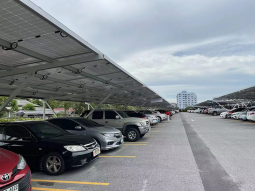
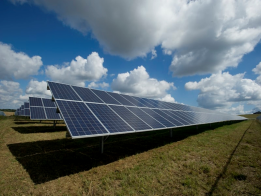
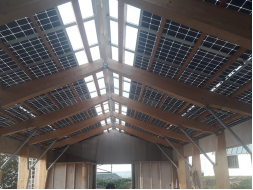
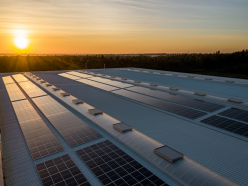
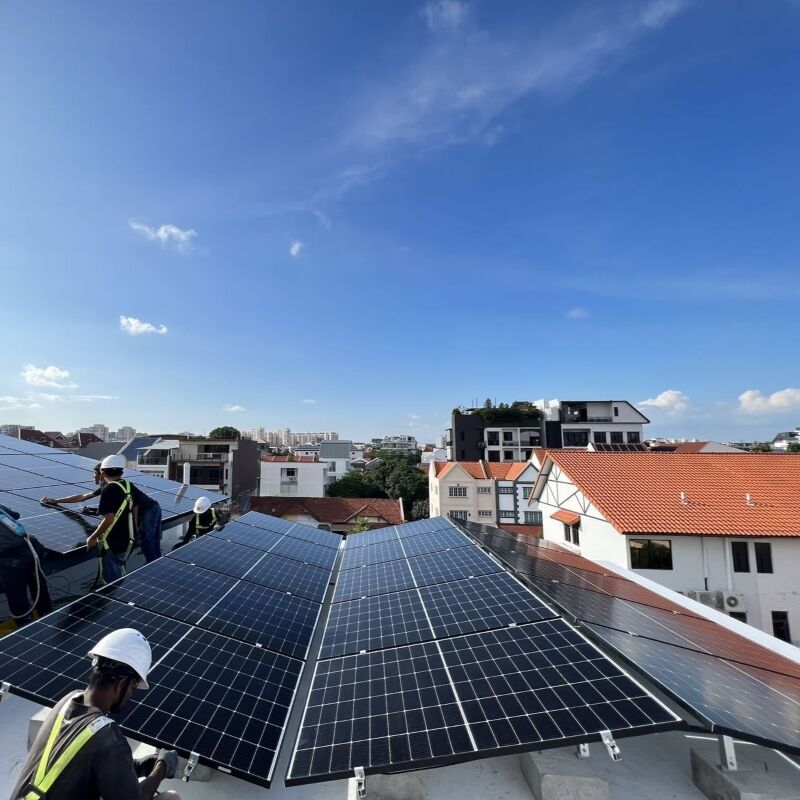
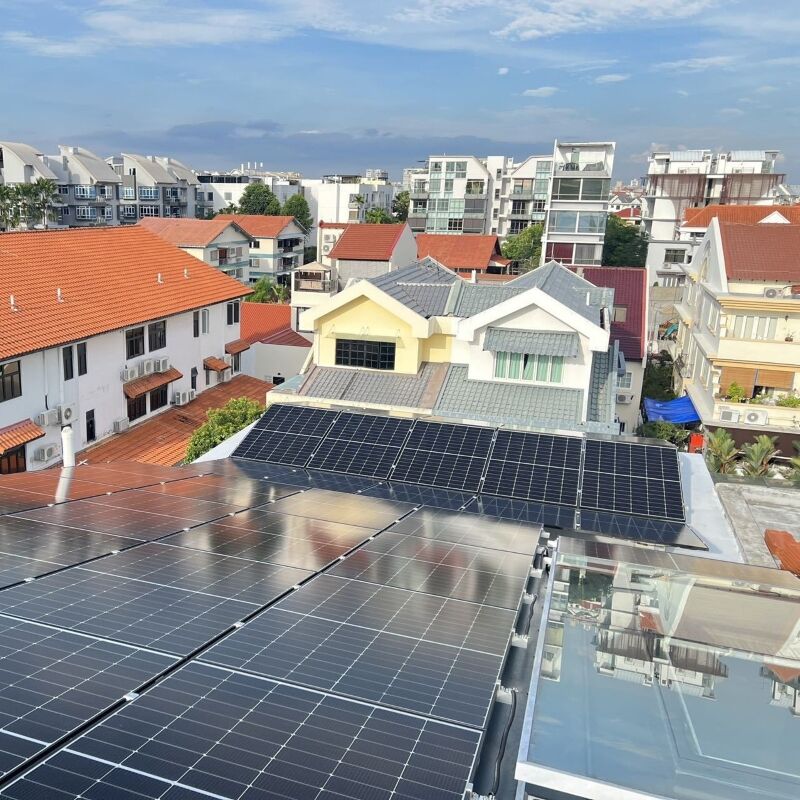
The installation of a photovoltaic (PV) system on a flat or low-slope roof presents a distinct set of engineering and practical challenges that demand a specialized solution, far removed from standard pitched roof mounting. A purpose-built flat roof solar mounting system must simultaneously address several critical imperatives: preserving the roof’s waterproof integrity, resisting significant wind uplift forces, ensuring adequate drainage, and facilitating optimal panel orientation for energy production. At Sunforson, our SunRack series for flat roofs embodies a holistic, systems-engineering approach to these challenges, providing installers and project developers with reliable, code-compliant, and efficient solutions for commercial, industrial, and residential applications.
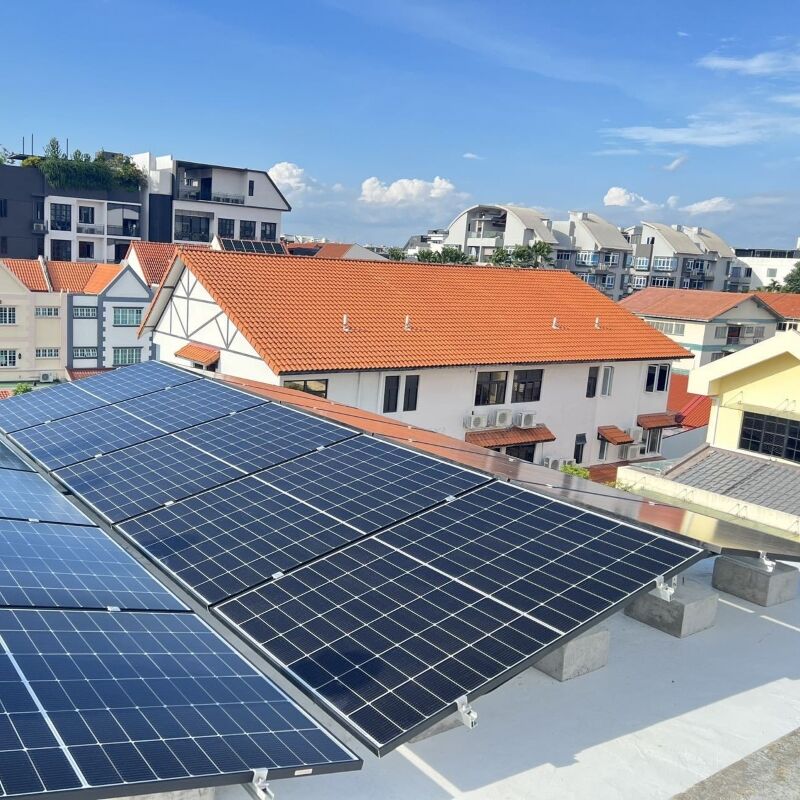
The cornerstone of any flat roof solar mounting system is its method of attachment to the roof structure, broadly categorized into non-penetrating (ballasted) and penetrating systems. Ballasted systems, such as our SunRack design, use concrete blocks or pavers placed within engineered trays to hold the array in place through gravity. The key engineering task is precise ballast calculation—determining the exact weight and distribution needed to resist wind uplift without exceeding the roof's load-bearing capacity. This requires detailed knowledge of local wind speed data, array configuration, and the roof's structural specifications. A properly designed ballasted flat roof solar mounting system offers the significant advantage of zero roof penetrations, eliminating potential leakage points and simplifying the approval process with building owners and roofing manufacturers. It is an ideal solution for roofs with robust load capacity and sound waterproof membranes.
For roofs with strict weight restrictions or in regions with extreme wind conditions where ballast requirements become impractical, a penetrating flat roof solar mounting system is the preferred choice. This method involves securely anchoring metal stanchions to the roof’s structural supports. The critical success factor here transitions from weight to waterproofing. SunRack’s penetrating systems utilize engineered attachment feet paired with high-grade EPDM or thermoplastic seals and flashing kits. These components are designed to create a durable, watertight bond that often exceeds the roof membrane's own warranty, turning the penetration from a vulnerability into a reinforced asset. This method provides the highest possible resistance to wind uplift and is often necessary for taller buildings or coastal areas.
Beyond attachment, a superior flat roof solar mounting system must enhance, not hinder, the roof’s function. Proper drainage is vital to prevent ponding water, which can damage the roof membrane and add unexpected dead load. Our systems are designed with adequate clearance between the array and the roof surface, allowing for natural water flow and air circulation. Furthermore, the ability to set a precise tilt angle (typically between 5° and 15°) is a major advantage of flat roof mounting. This tilt optimizes the panel’s exposure to the sun, significantly increasing annual energy yield compared to a flat laydown. Our adjustable tilt frames allow for this optimization while maintaining a low overall profile to minimize visual impact and wind exposure.
Selecting and implementing the right flat roof solar mounting system is a technical decision with long-term financial implications. It requires a thorough understanding of structural load maps, local building codes (IBC, ASCE 7, etc.), and roofing material compatibility. Sunforson’s technical support team, with its rich experience in international standards, assists partners through this process. We provide customized ballast calculations, wind uplift resistance reports, and layout planning support. For projects with unique constraints—such as limited ballast capacity, complex roof equipment layouts, or the need for specific tilt angles—our engineering team can develop tailored adaptations of our standard flat roof solar mounting system. To receive a system specification and quote tailored to your project's specific roof type, location, and energy goals, we encourage you to contact our engineering consultants with your project details.

 EN
EN