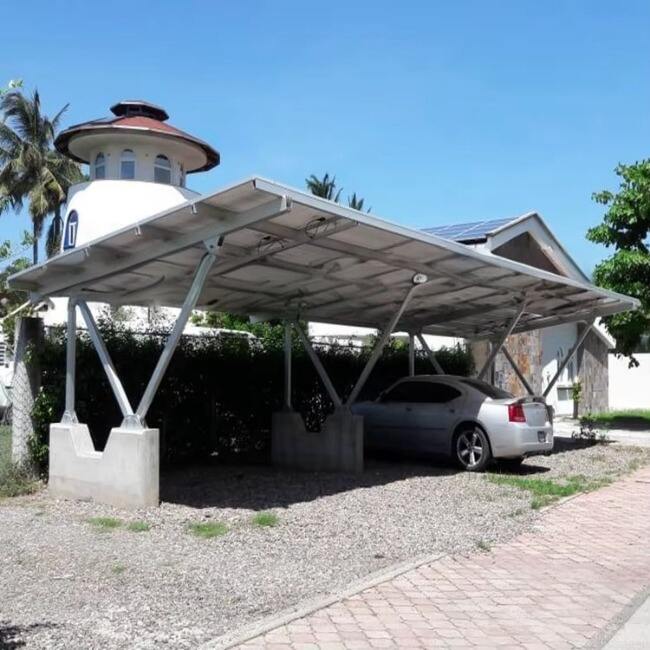
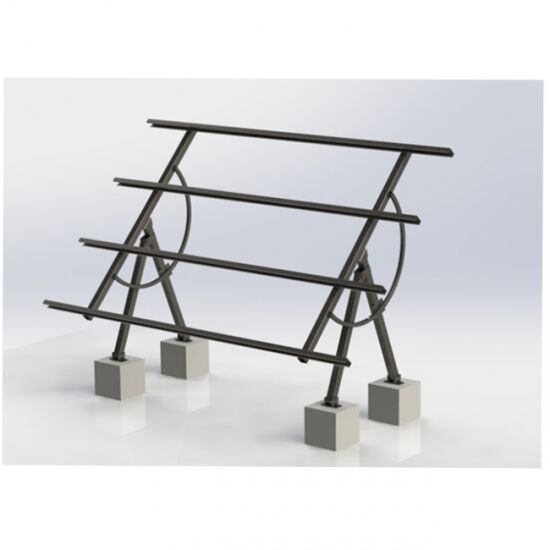
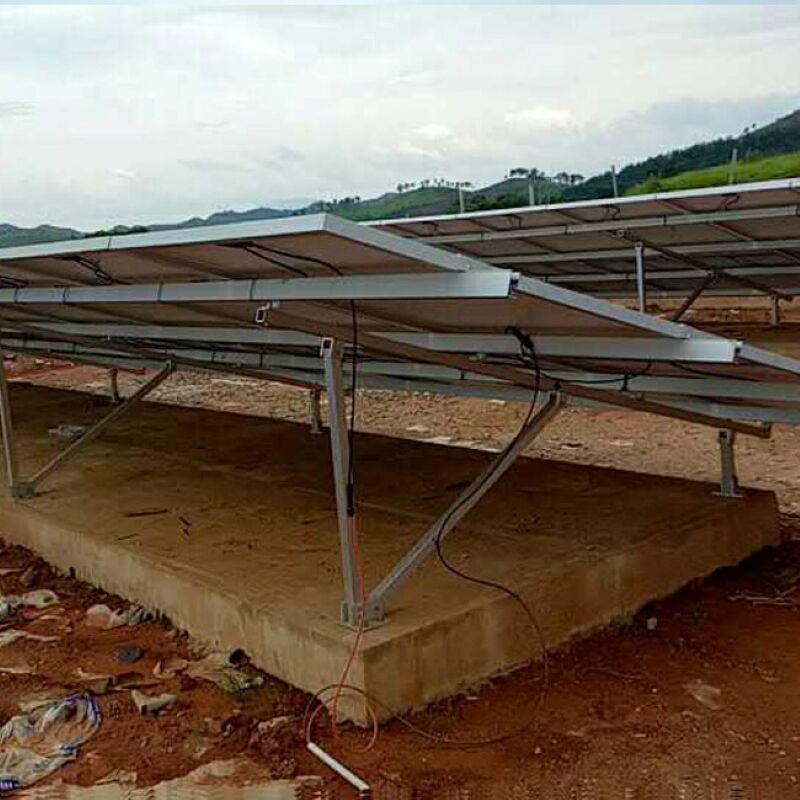
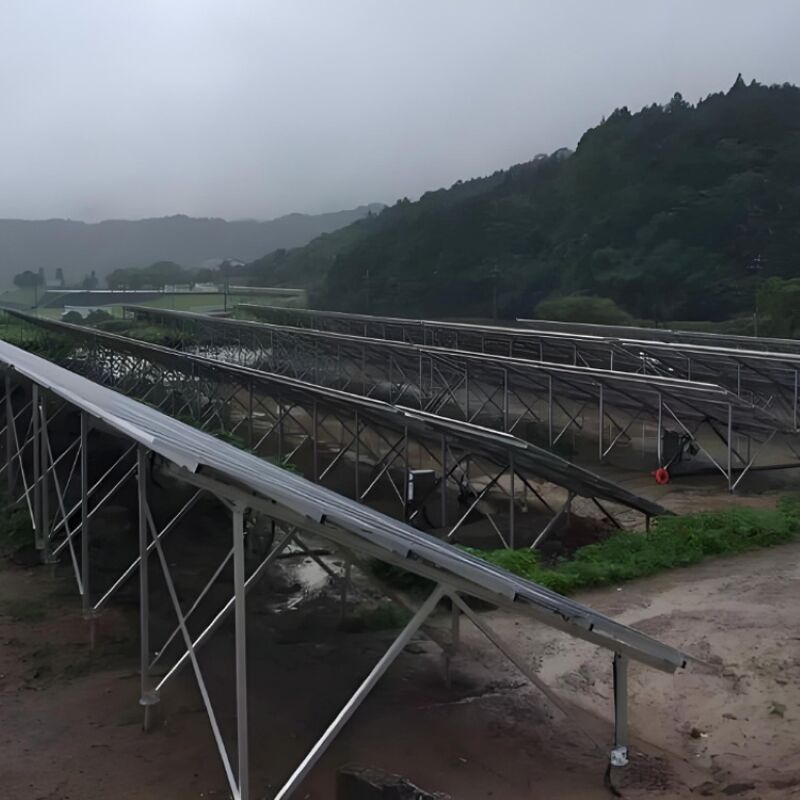
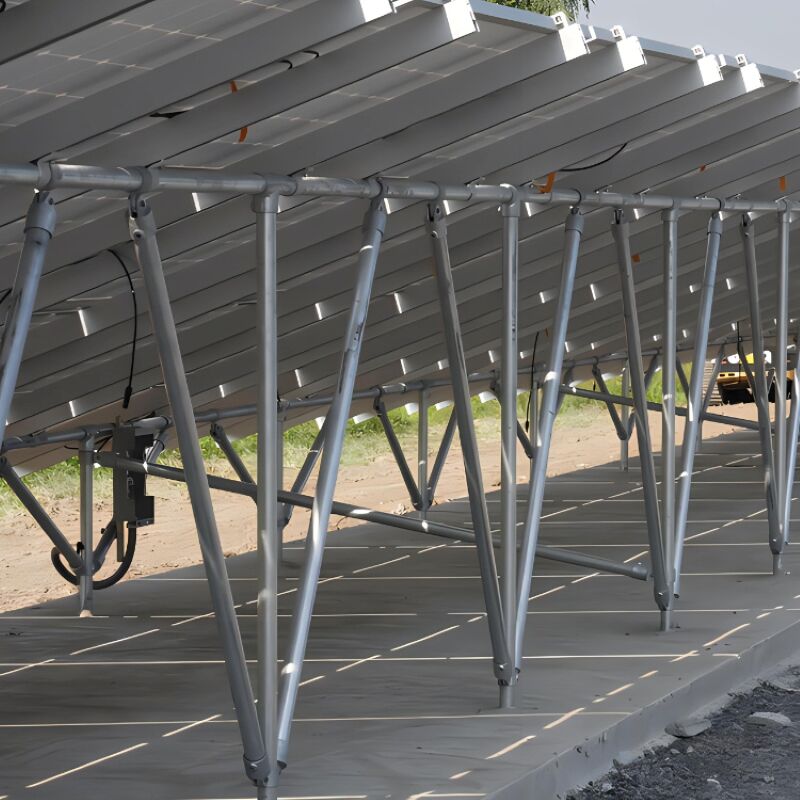
The longevity and efficiency of any photovoltaic installation are inextricably linked to the quality and appropriateness of its support system. At Sunforson, we define this critical component as the Solar Panel Loadbearing Structure. It is the interface between your valuable solar panels and the building or ground beneath them, tasked with the immense responsibility of withstanding environmental forces for 25 years or more. A failure in this structure can lead to catastrophic panel damage, safety hazards, and significant financial loss. Therefore, our design philosophy for every Solar Panel Loadbearing Structure begins not at the drawing board, but with a thorough analysis of the project's unique mechanical requirements.
Consider a typical commercial flat roof installation in a region prone to heavy snowfall. The Solar Panel Loadbearing Structure here must perform two conflicting tasks: it must elevate the panels to an optimal tilt for energy production while distributing the combined weight of the panels, the structure itself, and the massive snow load across the roof membrane without causing point loads that could puncture or damage the roofing material. Our SunRack Flat Roof Mount series addresses this perfectly. Utilizing a carefully engineered base and rail system, this Solar Panel Loadbearing Structure spreads the load evenly, often using ballast instead of penetrations to maintain roof integrity. The anodized aluminum components are chosen specifically for their high strength-to-weight ratio, ensuring the structure itself adds minimal dead load while providing maximum corrosion resistance. We recently supported a 2MW commercial project in Northern Europe using this very principle, where our Solar Panel Loadbearing Structure was designed to handle snow loads exceeding 1.5 kN/m², ensuring uninterrupted power generation through harsh winters.
For residential pitched roofs, the challenge shifts to adapting to varied roofing materials—from clay tiles to standing seam metal. Our SunRack Pitched Roof Mount Solar Panel Loadbearing Structure utilizes versatile hooks and rails that are flashed and sealed to prevent leaks. The loadbearing calculations become hyper-local, focusing on the rafter spacing and roof deck capacity. We provide detailed engineering reports to installers and homeowners, demonstrating exactly how the static and dynamic loads are transferred safely into the building's framework. In a recent case in Southeast Asia, we customized the Solar Panel Loadbearing Structure for a villa with an antique tile roof, designing a bracket system that distributed the panel load without requiring the removal or alteration of a single original tile, preserving the aesthetic while adding modern energy efficiency.
Ultimately, the selection of the correct Solar Panel Loadbearing Structure is a decision that impacts not only safety but also the financial viability of the entire solar project. A robust, well-designed structure minimizes maintenance calls, prevents downtime, and maximizes energy yield by maintaining the correct panel orientation. Sunforson’s engineering team works hand-in-hand with clients to provide custom solutions, ensuring that whether the project is a small residential addition or a sprawling solar farm, the Solar Panel Loadbearing Structure is perfectly matched to the application, the environment, and the client's long-term goals. For specific pricing and a detailed load analysis for your project, we invite you to contact our team directly to discuss your requirements.

 EN
EN