
 EN
EN



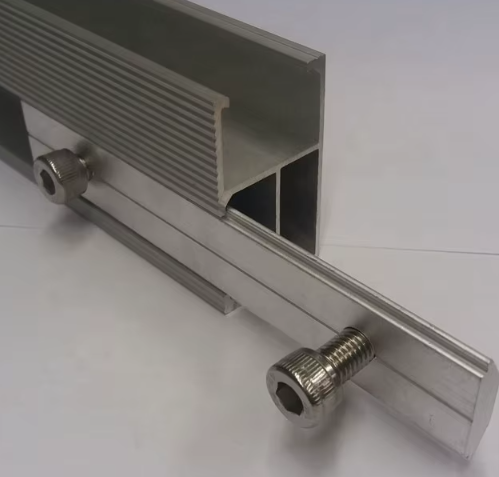
Why Solar Rail Is the Structural Backbone of BIPV Integration
Building Integrated Photovoltaics (BIPV) differ from standard Building Applied Photovoltaic (BAPV) systems because they need solar rails that serve two purposes at once - generating electricity and acting as part of the building structure itself. Getting these rails right means making sure they work seamlessly with the building envelope. Aluminum rail systems actually handle wind forces, snow weight, and even earthquake movements through specially designed anchor points. When rails aren't aligned properly, BIPV panels can start peeling away over time due to temperature changes and physical stresses. We've seen this happen in many building facades where improper installation led to serious failures. Today's rail designs have gotten really precise, about 0.5mm tolerance, which helps keep solar panels flat on uneven surfaces. This matters because tiny cracks form when panels aren't level, and those cracks can cut energy production down by around 22%, according to research from NREL back in 2022. As BIPV moves beyond being just an experimental technology, we're seeing new rail setups that let architects install curved glass on office buildings and hide fasteners during renovations of older structures. Manufacturers are also working with lighter but stronger metal alloys so rails can hold powerful solar modules over 800 watts without adding much extra weight to the building. For tall buildings, special shaped rails help reduce vibration problems caused by wind patterns, cutting down on those annoying oscillations by about 40% compared to regular mounting systems. All these improvements show why proper rail design has become absolutely essential for creating long lasting BIPV systems that actually produce good amounts of power.
Key Material Considerations for Solar Rail in BIPV Applications
Aluminum vs. Galvanized Steel: Balancing Strength, Corrosion Resistance, and Thermal Compatibility
What materials we choose makes all the difference in how long solar rails last in those building integrated photovoltaic systems. Aluminum stands out because it doesn't corrode easily and weighs around 30% less than steel, which is why many installers prefer it for retrofitting existing roofs. Galvanized steel has its place too, especially in areas where winds get really strong. The downside? It needs good protective coatings if installed near saltwater or coastal regions where rust becomes a real problem. Something worth noting about aluminum is how its thermal expansion matches up pretty well with standard glass materials used in buildings today. This means less stress on the points where everything connects together. On the flip side, steel expands differently at about half the rate of aluminum. When mixed with materials that expand a lot, this mismatch can actually cause components to warp over time, creating maintenance headaches down the road.
Matching Thermal Expansion with Glazing and Cladding to Prevent Delamination and Stress Fractures
The repeated heating and cooling cycles we see in building integrated photovoltaics can actually move materials around enough to crack those important connections. Problems happen when the expansion rates don't match up between components. Take for example what happens when someone installs aluminum rails next to polycarbonate cladding (which expands at about 70 micrometers per meter per degree Celsius). Over time, all this stress builds up and creates tiny cracks in the solar panels themselves, makes the sealants fail where wires pass through, and even shears bolts right out of their anchors. To fix these issues, engineers need to keep expansion rates within roughly 5 micrometers difference. We've found that pairing anodized aluminum rails with tempered glass works pretty well since glass only expands at around 9 micrometers per meter per degree. These glass-aluminum combinations hold up much better during those extreme temperature changes buildings experience. Another trick is inserting special thermal break pads between different materials. These little pads soak up the expansion differences and stop layers from peeling apart over time.
Selecting the Right Solar Rail by Building Geometry and Facade Type
Flat, Pitched, and Curved Surfaces: Anchoring Strategies and Geometric Adaptability
The shape of buildings plays a big role when choosing solar rails. For flat roofs, we usually go with low profile rails that sit on top using weights instead of drilling holes through the roof. These systems handle wind lift pretty well too. When dealing with sloped roofs, the attachment points need to match up with the rafters underneath to keep everything structurally sound. Curved building faces present another challenge altogether. Segmented aluminum rails tend to work best there since they can bend around curves without putting stress on panels. Complex shapes call for modular systems where the joints can be adjusted to close any gaps and handle directional changes of about plus or minus 15 degrees. Thermal compatibility matters a lot too. If the rails expand at a different rate than what they're attached to, panels might start coming loose over time. In really hot or cold places, this mismatch can lead to displacements over 2mm each year, which definitely isn't good for long term performance.
Balcony Railings, Curtain Walls, and Spandrel Zones: Load Path Validation and Aesthetic Integration
For balcony integrated solar systems, we need those special dual purpose rails that actually transfer the weight straight down to main support structures instead of creating those pesky cantilever stresses nobody wants. When dealing with curtain walls, look for those slim profile rails that attach right onto the mullions without messing up the weather seals. Always check how the loads distribute across these components through finite element analysis software first, because nobody wants cracked glass problems later on. Spandrel areas present their own challenges too. Hidden rail channels work wonders here, keeping the building's appearance clean while still handling wind loads around 60 pounds per square foot. Make sure the rail placement lines up nicely with what architects call sightlines during design phase. And don't forget about finish choices either. Matte black anodized surfaces cut down on glare visibility roughly 40% better than regular silver finishes do according to tests. Before putting anything in place though, double check every single load path against current IBC 2021 building codes requirements.
Installation and Engineering Coordination for Reliable Solar Rail Performance
Collaborative Layout Planning: Aligning Solar Rail Placement with Structural Framing and MEP Penetrations
Getting solar rails installed correctly starts with bringing everyone together from day one structural engineers need to talk shop with architects and the actual installers. The positioning of these rails has to match up exactly with what's already in the building structure so nothing breaks under weight, plus we have to watch out for those pesky mechanical, electrical and plumbing lines that can ruin waterproofing if they get cut through. When we build 3D models using BIM software, it helps spot problems where rail routes might cross over air ducts or wiring long before anyone picks up a drill. Before anything gets mounted, field crews go onsite to double check all the measurements, and then there are those important meetings beforehand where specs for anchor tightness get set according to what kind of surface material we're dealing with, how much space needs to be left between components as temperatures change, and making sure loads actually transfer properly to main support structures. Taking this careful approach saves headaches later when someone accidentally drills into steel reinforcement bars or hits an electric line. Throughout the whole mounting process, regular inspections keep checking that everything stays level and bolts hold firm according to the engineering plans.
FAQ
What are solar rails in the context of BIPV?
Solar rails in BIPV (Building Integrated Photovoltaics) serve a dual purpose by generating electricity and acting as part of the building structure. They are crucial for ensuring the stability and efficiency of BIPV systems.
Why is rail alignment important in BIPV systems?
Proper rail alignment is essential to prevent BIPV panels from peeling away over time due to temperature changes and physical stresses. Misaligned rails can lead to tiny cracks that reduce energy production.
What materials are commonly used for solar rails?
Common materials include aluminum and galvanized steel. Aluminum is popular due to its corrosion resistance, lightweight nature, and thermal compatibility, while galvanized steel is used in areas with strong winds.
How does building geometry affect solar rail selection?
The shape of buildings influences the choice of solar rails. Different strategies and rail types are used for flat, pitched, and curved surfaces to ensure structural integrity and performance.
What's the importance of collaborative planning in solar rail installation?
Collaborative planning involving architects, engineers, and installers is critical to ensure that rail placements align with structural framing and MEP (mechanical, electrical, and plumbing) penetrations, preventing potential issues.