The Essential Role of a High-Performance Mount System for Solar Panel in PV Projects
In any photovoltaic installation, the Mount System for Solar Panel serves as the critical interface between the solar modules and the supporting structure. A well-engineered mounting system determines not only the longevity of the panels but also the overall safety and energy yield of the entire system. At Sunforson, we have dedicated over 15 years to perfecting our SunRack Mount System for Solar Panel, ensuring that it meets the rigorous demands of diverse environments—from the humid coastal regions of Thailand to the high-wind zones of Nigeria.
The foundation of our Mount System for Solar Panel lies in material selection. We utilize high-grade aluminum alloy 6005-T5 and stainless steel SUS304 for all structural components. These materials provide exceptional corrosion resistance, which is vital for installations near saltwater or in industrial areas. Unlike conventional steel brackets that may rust within a few years, our Mount System for Solar Panel maintains its structural integrity for the full lifespan of the solar array. This durability is validated through extensive salt spray testing and mechanical load simulations, ensuring compliance with international building standards.
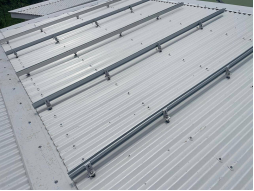
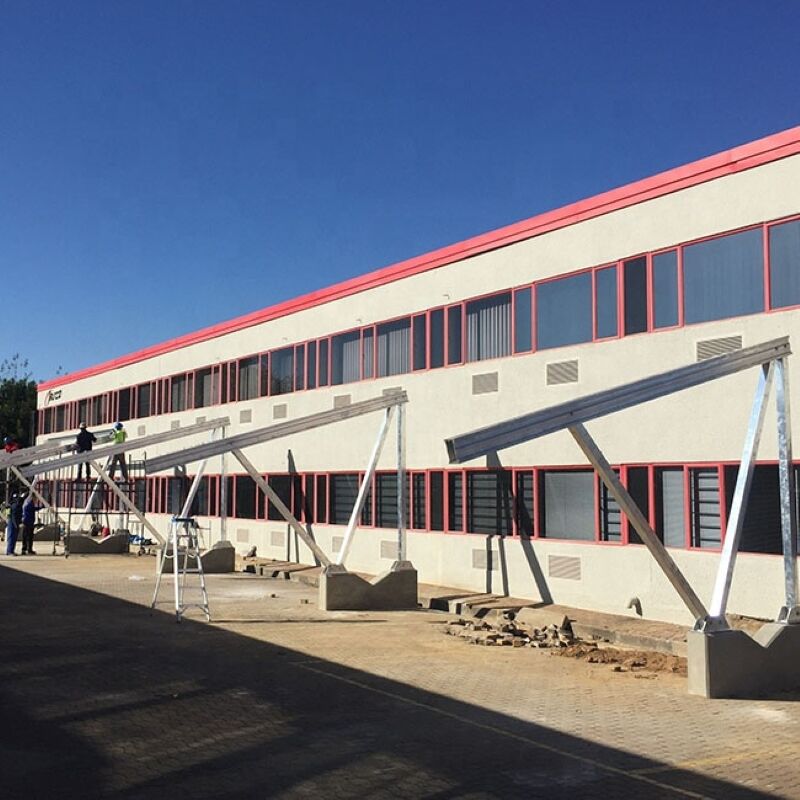
Beyond material strength, the design of our Mount System for Solar Panel prioritizes installation efficiency. In residential applications, installers often face tight schedules and complex roof geometries. Our pitched roof mounting solutions feature a modular design with pre-assembled components. For instance, the roof hooks and rail splices are engineered for a “slide-and-click” mechanism, allowing workers to secure the Mount System for Solar Panel without specialized tools. This reduces labor hours significantly, a critical factor for contractors managing multiple projects simultaneously.
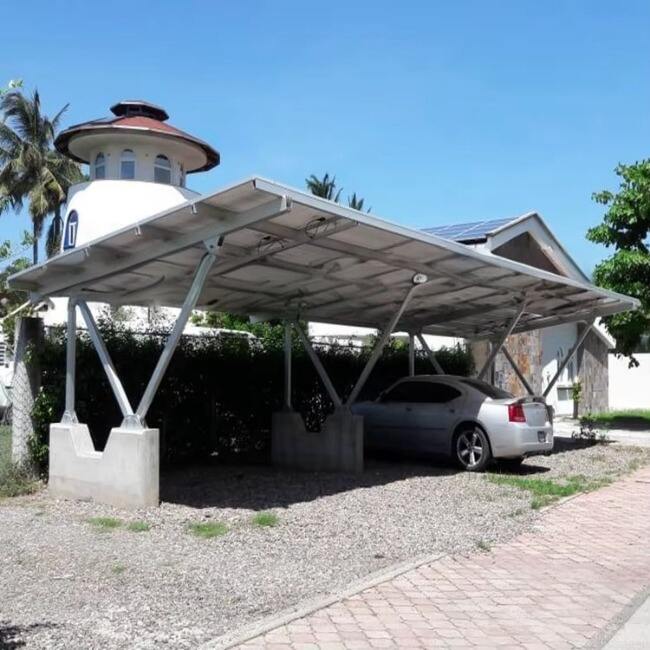
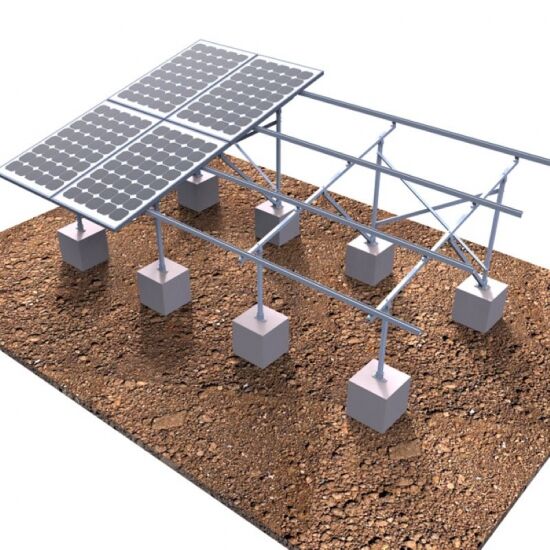
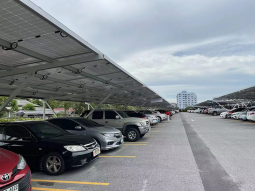
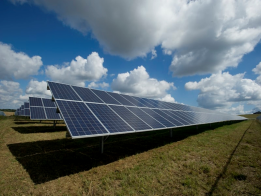
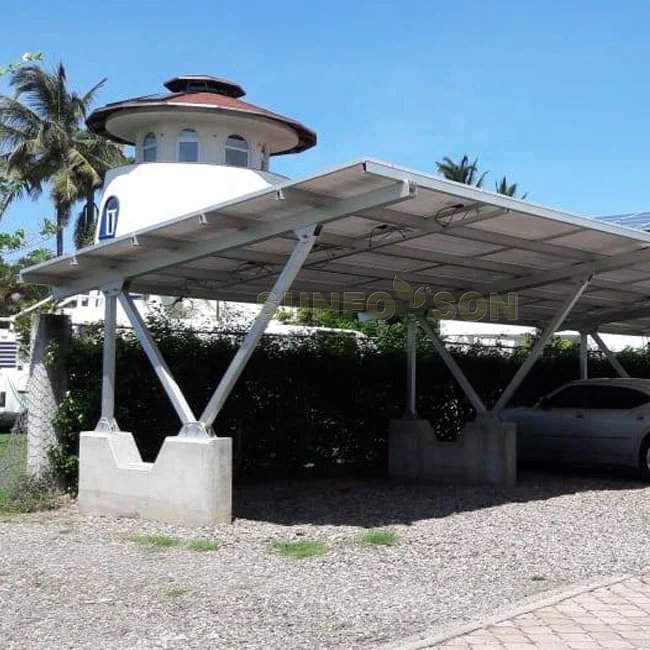
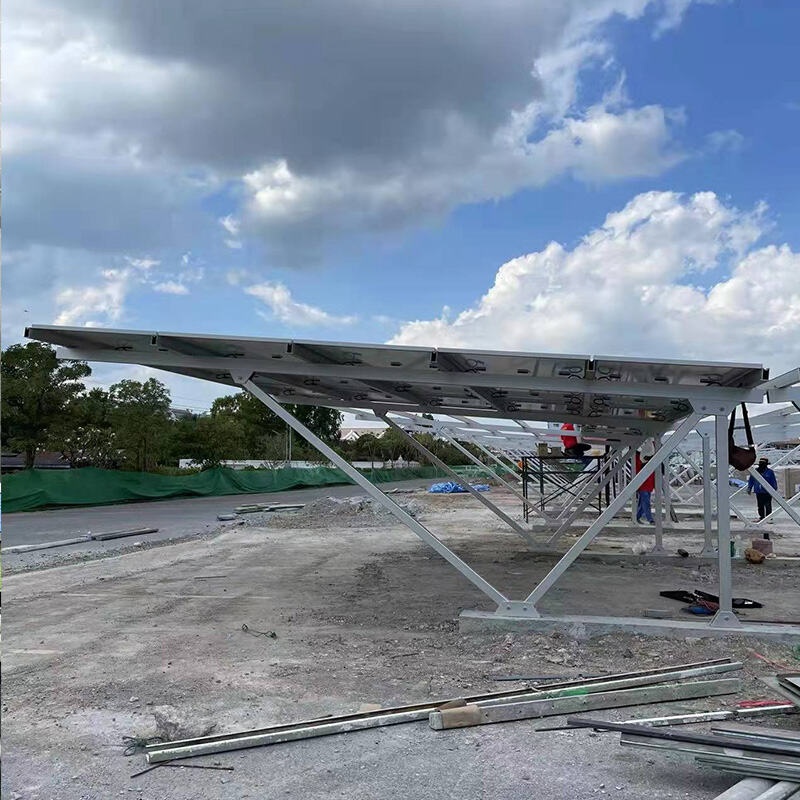
In commercial and utility settings, scalability becomes the primary concern. Our flat roof and ground Mount System for Solar Panel solutions are designed for rapid deployment across large areas. The pre-assembled ballast trays and adjustable post anchors enable crews to install hundreds of kilowatts per day. Moreover, our engineering team provides detailed 3D models and BOM (Bill of Materials) for each project, ensuring that every component of the Mount System for Solar Panel arrives on site precisely as needed.
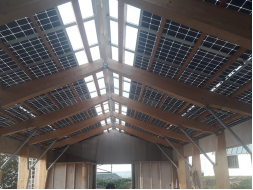
Sunforson also recognizes that no two projects are identical. Our strong engineering team offers customized Mount System for Solar Panel designs to address unique site conditions. Whether it is a non-standard roof profile, a specific wind load requirement, or an aesthetic integration need, we develop tailored mounting solutions that maintain the same high standards of quality and safety.
Ultimately, selecting the right Mount System for Solar Panel is a decision that impacts the entire lifecycle of a solar installation. Sunforson combines decades of expertise, global manufacturing capacity, and localized branch support to deliver mounting systems that are secure, efficient, and built to last. For installers, distributors, and EPC contractors worldwide, our Mount System for Solar Panel represents a trusted foundation for successful solar projects.

 EN
EN