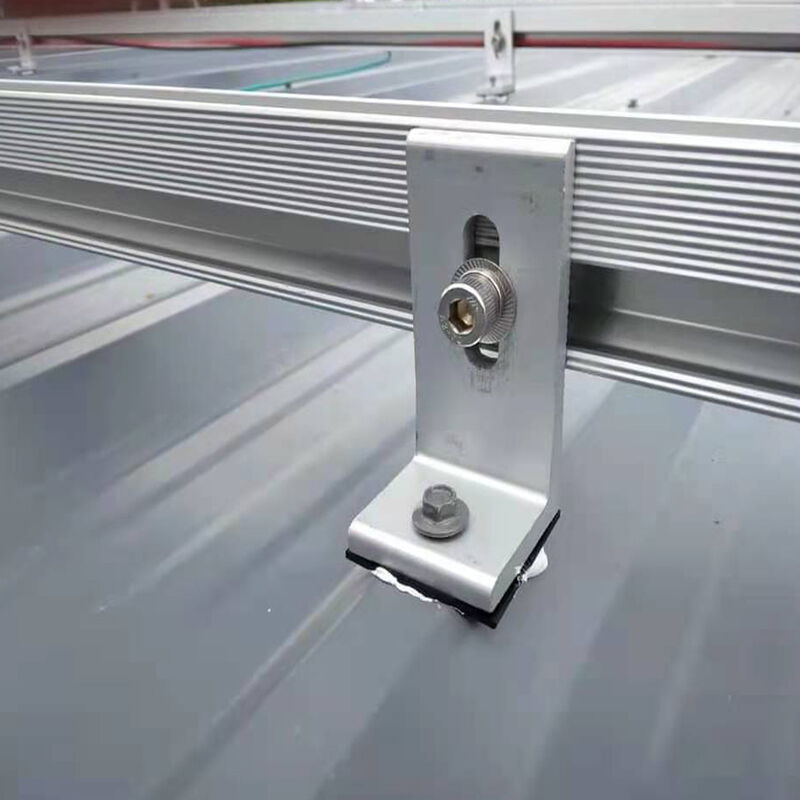
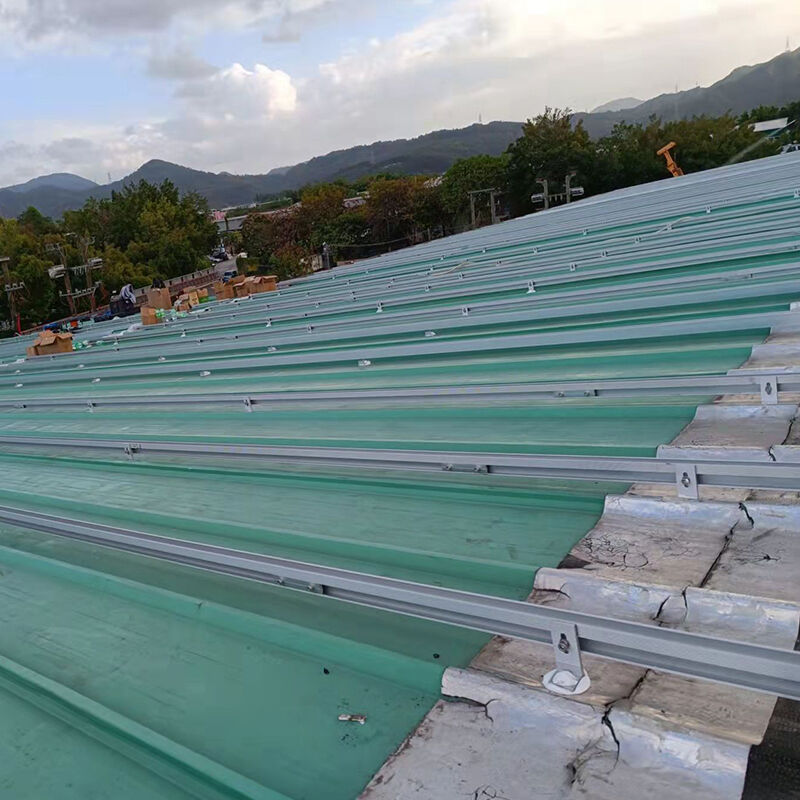
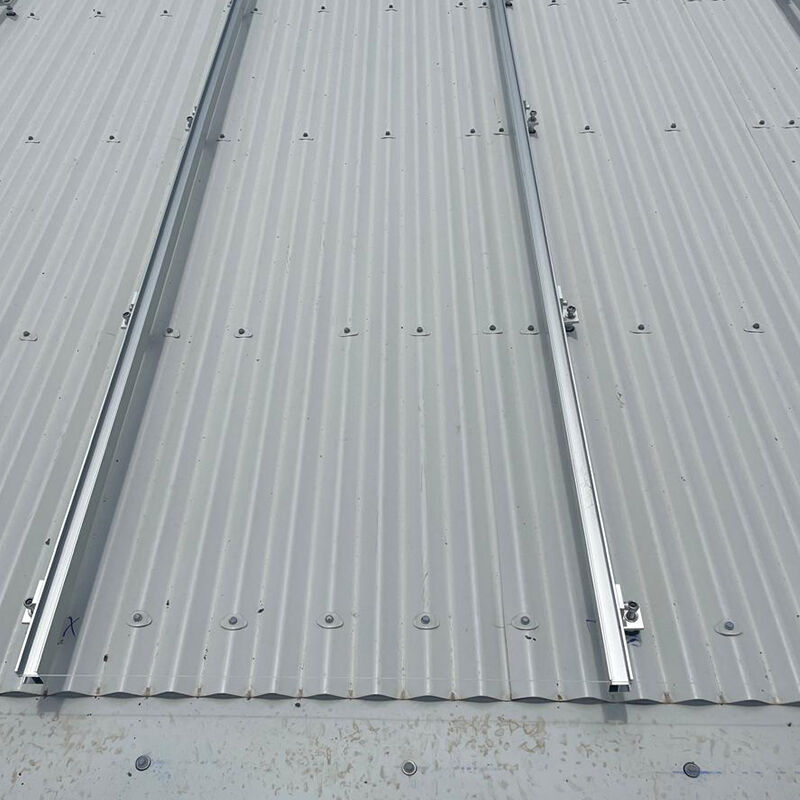
Within the meticulously engineered ecosystem of a photovoltaic (PV) mounting system, each component plays a definitive role in achieving the overarching goals of security, durability, and performance. Solar L Feet, often referred to as L-brackets or stanchions, occupy a position of fundamental importance as the primary structural interface. These components are responsible for transferring the entire weight and environmental loads of the solar array—comprising panels, rails, and all ancillary hardware—directly to the building's roof structure or a ground-mounted substructure. At Sunforson, our approach to these critical connectors is rooted in a philosophy of precision engineering, where material science, mechanical design, and practical installation ergonomics converge to create a product that epitomizes reliable performance.
The engineering specifications for a high-quality Solar L Feet bracket are rigorous and multifaceted. The primary design challenge involves managing complex load vectors. The bracket must withstand constant downward force (dead load) from the system's weight, as well as potent upward lift forces (wind load) that can threaten to pull the array from its moorings. Additionally, in many climates, it must resist lateral forces from wind and shear forces from snow accumulation. To meet these demands, Sunforson utilizes finite element analysis (FEA) software to simulate stress points and optimize the bracket's geometry, wall thickness, and gusset design. Material selection is equally critical; we typically employ 6005-T5 aluminum alloy for an excellent strength-to-weight ratio and superior corrosion resistance, applying a Class II or III anodized finish that carries a warranty against degradation. For applications requiring even higher tensile strength, such as in heavy snow regions or for very large module formats, we offer variants fabricated from hot-dip galvanized steel. The connection points—both the horizontal flange that attaches to the roof or purlin and the vertical flange that secures the rail—are reinforced and feature precisely calibrated, slotted or round holes. These slots are not arbitrary; they allow for critical micro-adjustments during installation to ensure perfect rail alignment and accommodate thermal expansion and contraction of the system over time.
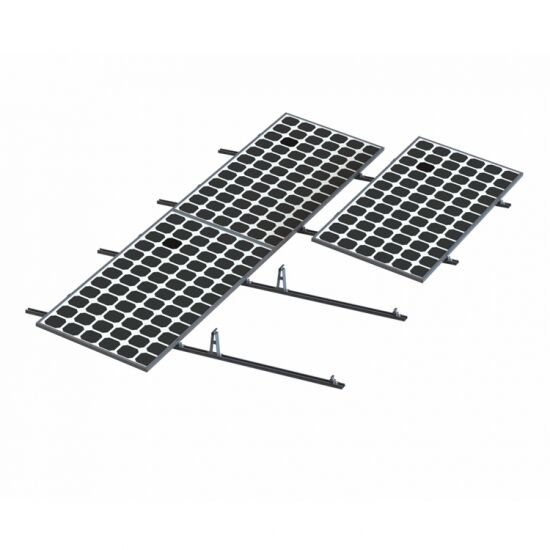
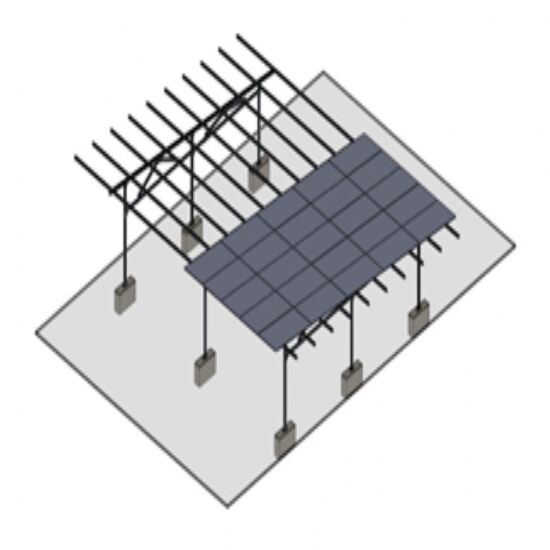
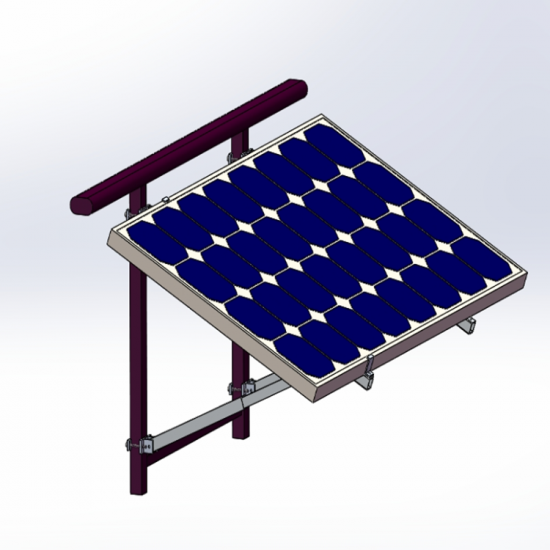
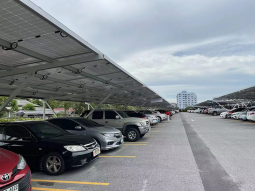
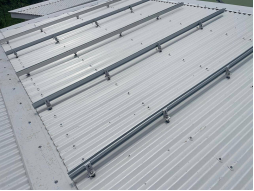
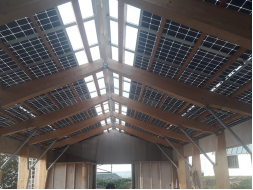
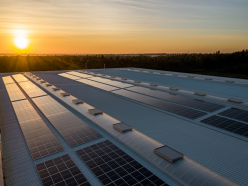
The application of Solar L Feet is central to several key mounting scenarios, particularly in rooftop and custom framed installations. In residential and commercial pitched roof projects, L Feet are typically paired with roof hooks or integrated flashing. The vertical leg bolts directly to the side of a SunRack rail, while the horizontal leg is secured to the roof rafters or trusses, often penetrating the roofing material in a waterproofed manner. This configuration creates a robust, distributed attachment network. For flat roof commercial installations using raised support structures, L Feet serve as the connector between the base of a vertical post (or "leg") and the horizontal purlins that form the support frame for the rails. In this role, they provide the essential 90-degree transition, ensuring the frame is square and rigid. Furthermore, in custom ground-mounted frameworks or specialized structures like solar canopies, Solar L Feet are indispensable for creating secure junctions between different structural members, offering engineers and installers a versatile, standardized connection solution for building complex geometries.
Selecting and implementing the correct Solar L Feet is a decision that impacts the entire project's viability. Sunforson supports this process through our customer-centric engineering partnership. It begins with a technical dialogue to understand the specific project parameters: roof type and material, local wind and snow load requirements (often defined by codes like ASCE 7 or Eurocode), and the specific SunRack rail profile being used. Our engineering team can then specify the optimal L Feet model—determining the required metal gauge, finish type, hole pattern, and dimensional specifications (such as leg lengths). For unique projects, our strong in-house engineering team excels at providing fully customized L Feet solutions. This could involve modifying hole patterns, adjusting leg dimensions for specific clearances, or designing with alternative materials to meet unique structural or chemical exposure requirements. This capability ensures that regardless of project complexity, the foundational connection component is not a compromise but a perfect fit. Our integrated manufacturing process, from material sourcing to final quality inspection, guarantees that every bracket leaving our facility meets the exacting standards that global installers, distributors, and EPC contractors depend on for bankable project execution.

 EN
EN