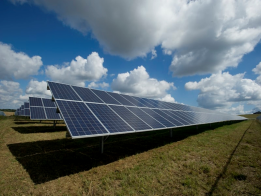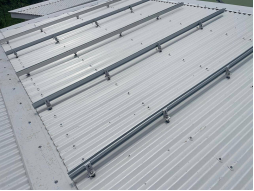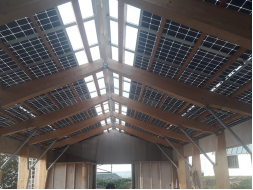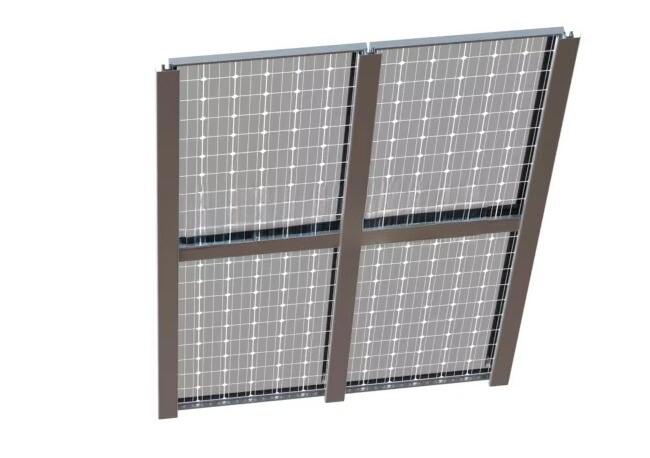
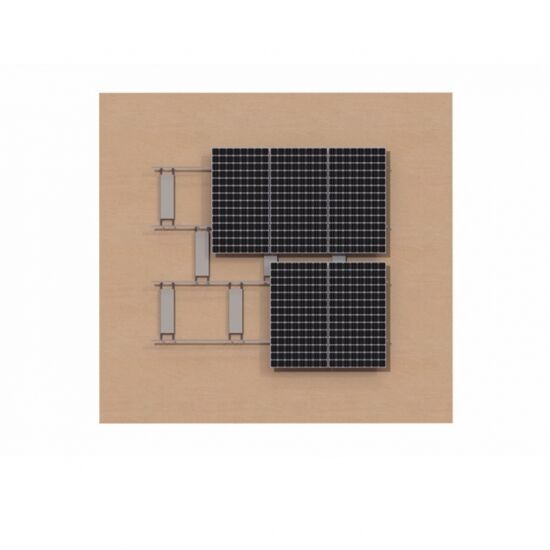
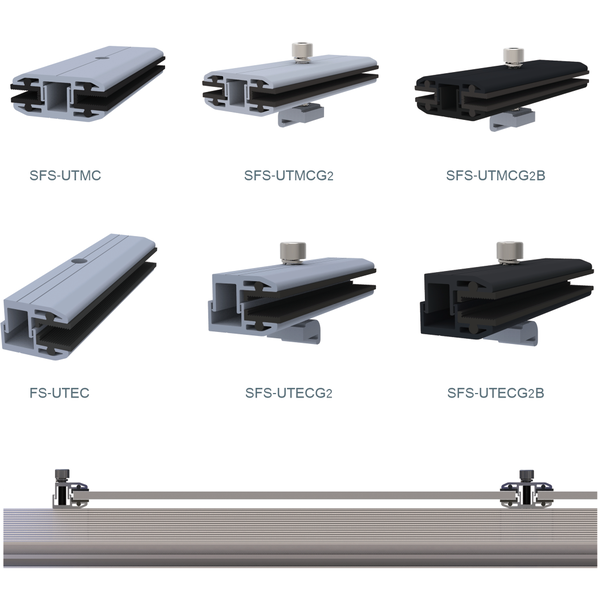
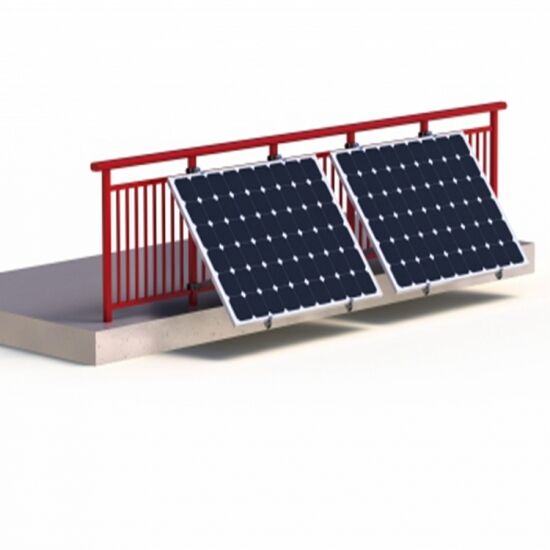
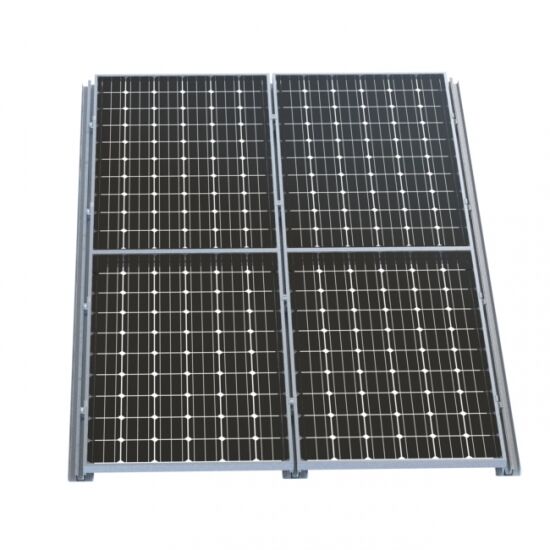
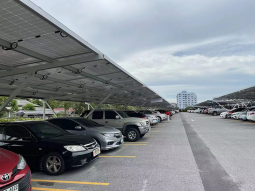
Solar panel stand mounting brackets are structural components that elevate solar panels above ground, roofs, or other surfaces, providing stability, optimal tilt angles, and airflow to enhance performance. These brackets form the foundation of free-standing solar systems, used in ground mounts, carports, or flat-roof installations where panels are not directly attached to the surface. Constructed from heavy-gauge steel (galvanized or powder-coated) for ground systems or aluminum alloy for lighter applications, they are engineered to withstand environmental loads: wind speeds up to 160 km/h, snow loads up to 5 kN/m², and seismic activity (up to Zone 4 in seismic classifications). The design includes vertical posts (height 0.5–2 meters), horizontal crossbars, and tilt rails—all connected via bolted joints for rigidity. Tilt angles are adjustable (10°–60°) to align with the sun’s path, maximizing energy production; some models feature seasonal adjustment mechanisms for regions with significant sun angle variation. Solar panel stand mounting brackets accommodate various panel sizes (60-cell, 72-cell) and configurations (portrait or landscape), with pre-drilled holes for easy panel attachment using clamps. For ground installations, brackets may integrate with concrete footings or helical piles to prevent shifting in loose soil. On flat roofs, they often include ballast blocks (concrete or water-filled) to secure the system without roof penetration. Many brackets comply with international standards such as IEC 62715 and AS/NZS 5033, ensuring structural integrity and long-term reliability. Beyond functionality, these brackets promote airflow beneath panels, reducing heat buildup (which can lower efficiency by 10–25%) and simplifying maintenance access. Whether used in utility-scale solar farms, commercial ground arrays, or residential backyard systems, solar panel stand mounting brackets provide a robust, adaptable solution that balances performance, durability, and ease of installation.