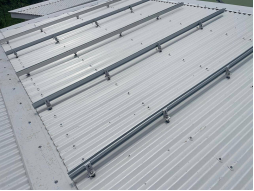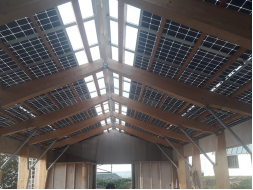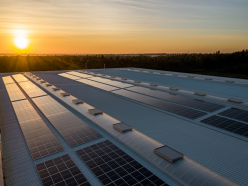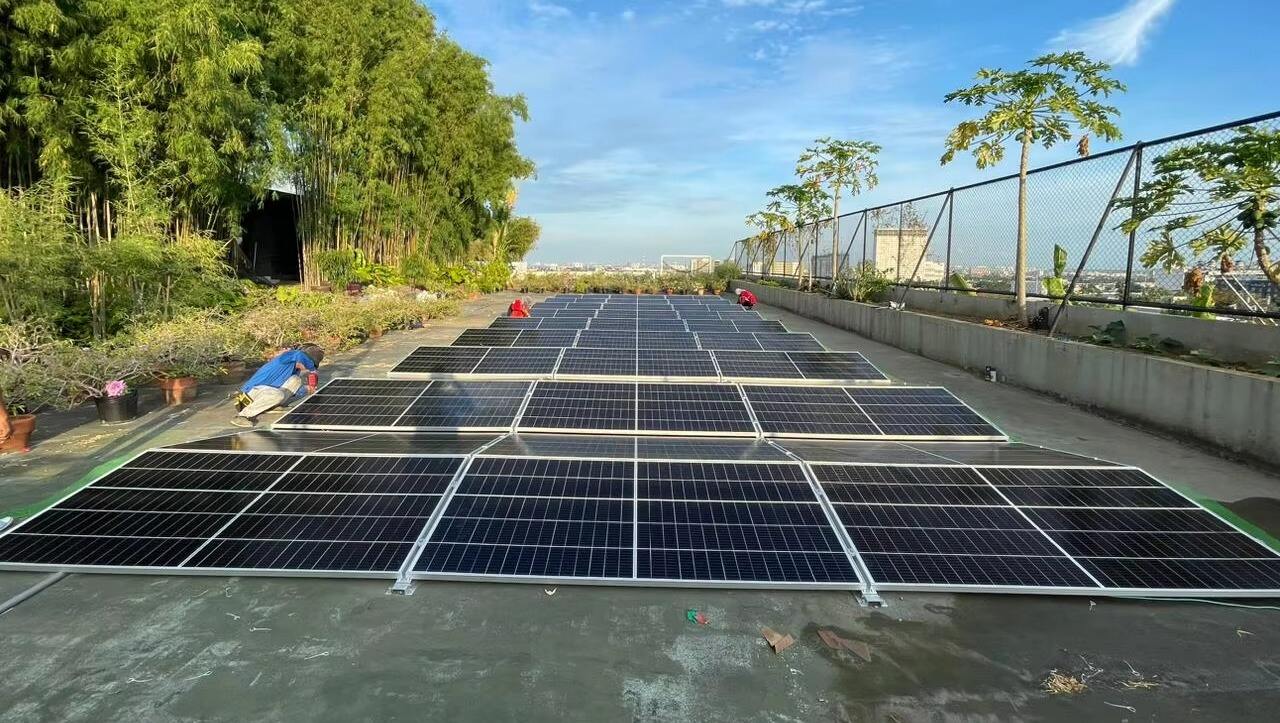
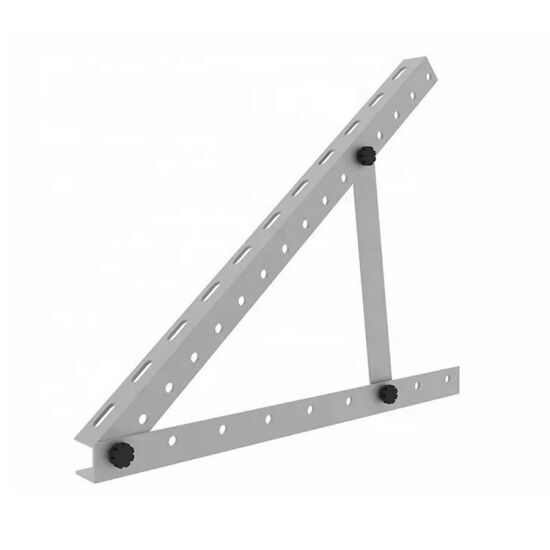
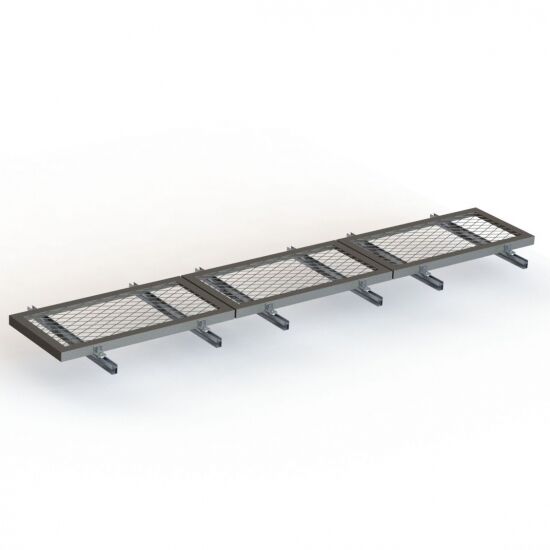
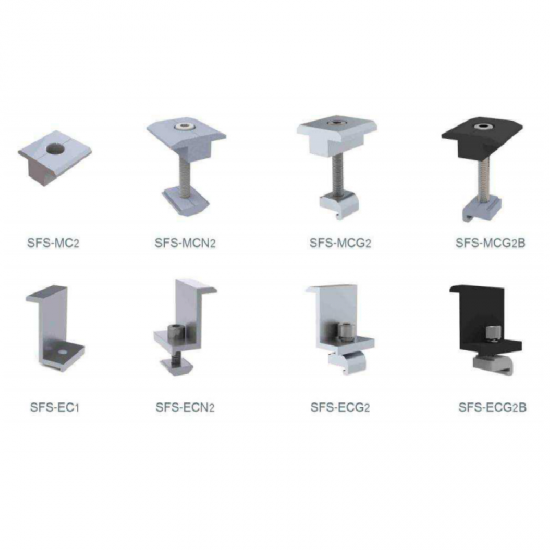
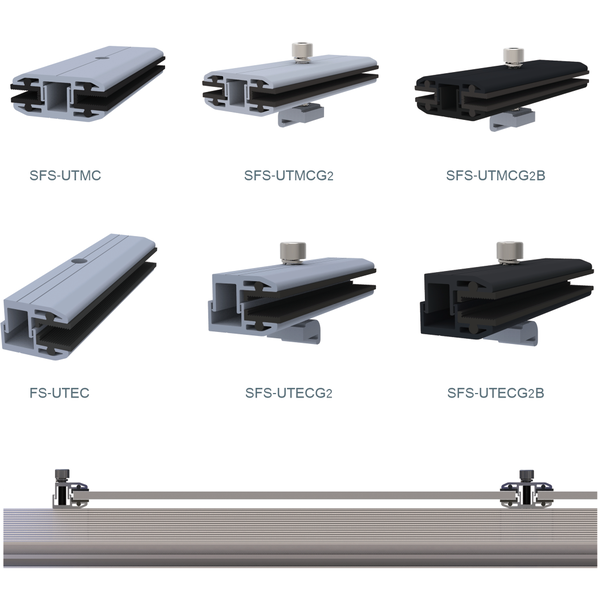
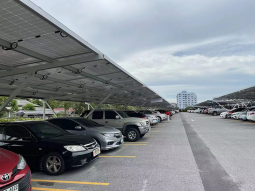
Solar structure aluminum refers to aluminum-based components used in solar mounting systems, leveraging aluminum’s unique properties—lightweight, corrosion resistance, and high strength-to-weight ratio—to create durable, efficient frameworks for solar panels. These structures include rails, brackets, crossbars, and connectors, forming the backbone of rooftop, ground, and carport solar installations. The primary aluminum alloy used is 6063-T5, chosen for its excellent extrudability (allowing complex profiles like T-slots for easy assembly) and natural oxide layer that provides inherent corrosion resistance, eliminating the need for additional coatings in most environments. For harsher conditions (e.g., coastal areas), aluminum components may undergo anodization—an electrolytic process that thickens the oxide layer—to enhance resistance to salt spray and UV radiation. Solar structure aluminum components are designed for modular assembly: rails feature pre-drilled holes and T-slots for quick attachment of panel clamps; brackets include adjustable joints to accommodate varying roof pitches or ground slopes; and connectors use bolted or snap-fit designs to reduce installation time. This modularity allows for scalability, enabling systems to expand from small residential arrays to large commercial farms. Aluminum’s lightweight nature (approximately 1/3 the weight of steel) reduces structural load on rooftops, making it ideal for older buildings or structures with weight restrictions. Despite its light weight, aluminum structures meet rigorous load standards, withstanding wind speeds up to 160 km/h and snow loads up to 5 kN/m², as verified by compliance with IEC 62715 and ASCE 7. Sunforson’s solar structure aluminum products leverage advanced extrusion techniques to create precise, consistent profiles, ensuring compatibility across components and simplifying installation for both professionals and DIY users. This focus on aluminum innovation results in mounting systems that balance durability, efficiency, and sustainability—aligning with the renewable energy goals of solar installations.