
 EN
EN



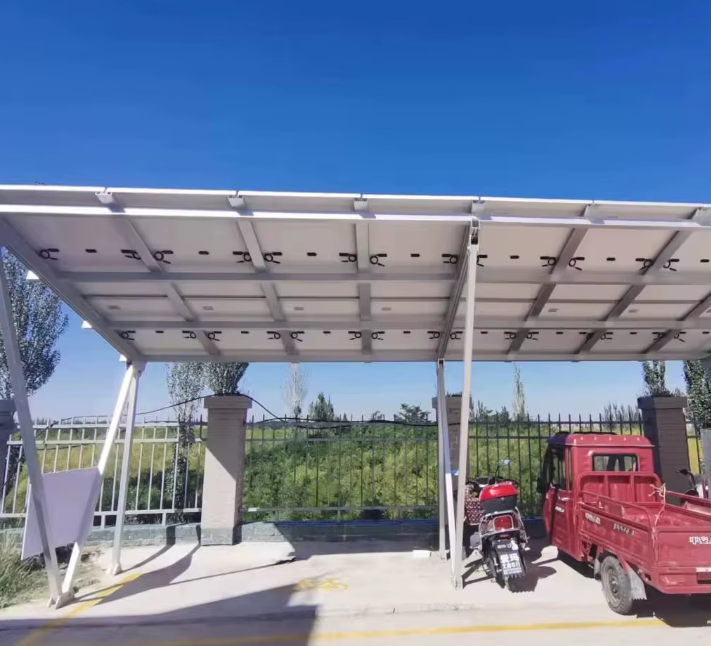
Aligning Solar Carport Design with Commercial Energy Needs
Matching PV Output to On-Site Load Profiles (Peak Demand, EV Charging Integration, Time-of-Use Tariffs)
Getting solar carports to work well means matching how much electricity they generate with what businesses actually need. Looking at past energy usage patterns helps determine proper system sizes that can cut down on those expensive peak demand charges by around 20 to 30%. The impact gets even bigger when combined with batteries that store excess solar power for later use during times when electricity rates spike. Time of use strategies make things better too. Companies save money when they time electric vehicle charging sessions to coincide with maximum sunlight hours rather than relying solely on the grid, potentially cutting costs by nearly 20%. What starts as just another parking lot becomes something valuable instead. These installations not only generate income but also help companies meet their green targets since vehicles get fueled without producing any carbon emissions.
Optimizing Parking Lot Layout and Coverage Ratio for Maximized kWh/kWp and Revenue per Square Meter
How parking spaces are arranged makes a big difference in how much energy they produce and what kind of money they bring in. When we set up double rows at about a 15 degree angle, these setups can actually generate between 1.2 to 1.4 kilowatt hours per kilowatt peak each day. That's roughly 12 percent better than just laying panels flat because the angled setup catches more sunlight and helps clean itself when it rains. Finding the right balance between covering enough area and keeping things functional is key. Most experts suggest going for around 80 to 90 percent canopy coverage to get maximum power output. But don't forget about practical stuff too. We need to leave at least 3.5 meters of vertical space so delivery trucks and maintenance vehicles can still move around without hitting anything. Smart designs can bring in anywhere from $42 to $58 every year for each square meter of space used, combining savings from electricity plus income from electric vehicle charging stations. These numbers beat traditional rooftop solar installations by about 22 percent, especially valuable where commercial properties have limited roof space available.
Engineering Optimization of the Solar Carport System
Structural & Electrical Design: Tilt, Orientation, Shading Mitigation, and Voltage Architecture (1000V vs. 1500V)
The way systems are built structurally and electrically really affects how well they perform, last, and deliver returns on investment. When it comes to panel tilt angles between about 10 to 30 degrees, getting this right matters a lot for maximizing energy production throughout the year. This is particularly important in areas further north where adjusting panels properly can actually increase winter electricity generation by somewhere around 15 to maybe even 28 percent compared to just laying them flat. Also worth considering is making sure structures can handle both wind and snow weight while still allowing enough space for vehicles underneath, all without sacrificing protection against severe weather conditions.
Shading mitigation is essential in parking environments, where adjacent structures, poles, or vegetation cause partial shading that can reduce output by up to 35%. Module-level power electronics (MLPE) and strategic row spacing mitigate these losses effectively.
Electrically, voltage architecture selection hinges on scale and economics:
| Feature | 1000V Systems | 1500V Systems |
|---|---|---|
| Installation Cost | Higher wiring/combiner costs | ~20% lower balance-of-system cost |
| Efficiency | Standard resistive losses | 3–5% lower resistive losses |
| Scalability | Well-suited for mid-sized projects | Optimal for systems >500 kWp |
While 1500V systems dominate large-scale deployments due to superior ROI, 1000V remains practical for retrofit scenarios or sites with legacy infrastructure constraints. Both require rigorous voltage-drop calculations and full compliance with NEC 2023 rapid shutdown requirements.
Validating Solar Carport Efficiency Through Real-World Performance Data
Case Studies: Energy Yield, Degradation, and O&M Insights from Operational Commercial Solar Carports
Looking at actual performance numbers shows there's often a big difference between what the models predict and what happens on site, particularly when it comes to things like shadows from nearby structures, dirt buildup over seasons, and temperature effects on efficiency. According to recent studies from NREL in 2023, good quality bifacial solar panels tend to lose less than half a percent of their output each year. When maintenance is done properly, real results follow suit. For instance, regular cleaning makes a noticeable difference in areas where pollen or dust accumulates heavily, recovering anywhere from 8 to 15 percent of lost production. Systems equipped with smart monitoring tools also help fix problems faster, cutting down resolution times by about 40%. All these real world measurements give project planners something concrete to work with as they adjust their expectations, tweak initial designs, and figure out which improvements will actually make a difference in generating more electricity per installed watt across different locations.
Maximizing ROI and Regulatory Compliance for Commercial Solar Carports
Getting the most return on investment requires bringing together different areas like engineering, financial planning, and policy considerations. When it comes to size matters a lot. Systems that are at least 500 kWp can reach returns of around 22.7 percent, which beats the performance of smaller setups at about 15.9 percent. This was found in the latest Commercial Solar Market Report put out by Wood Mackenzie in 2024. There are several ways to boost returns. One approach is making sure we use as much energy as possible right when it's generated, such as timing electric vehicle charging with peak solar production or matching heating and cooling needs. Another good strategy involves going for higher efficiency panels like those using TOPCon or HJT technology. And don't forget about all the available incentives either. Federal tax credits, various state programs, plus rebates from local utilities can make a real difference in overall profitability.
Getting regulatory approvals right starts with talking to local permitting folks early on, making sure all IEEE 1547 grid connection requirements are met, and finding smart ways to use those self-use plus grid sell tariffs. These approaches keep companies independent in their energy usage but still let them make money selling excess power back to the grid. Maintenance matters too. Regular cleaning every three months can stop around 15% performance drop over time, which means better profits down the road. When companies get good at balancing technical details, financial incentives, and understanding what regulators want, they transform ordinary parking lots into something much more valuable. These spaces become real money makers that actually help meet new environmental regulations while still generating steady income streams for business owners.