
 EN
EN



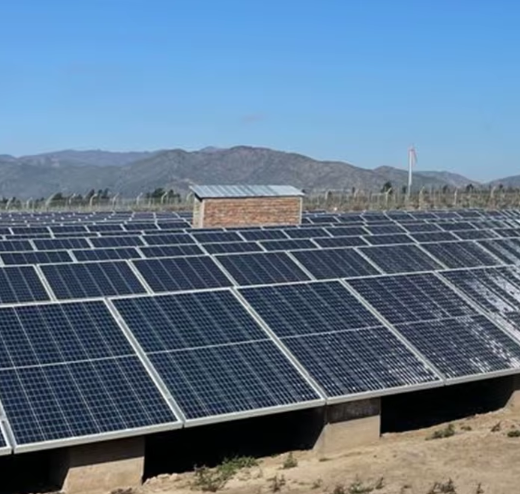
Core Safety Certifications for Industrial Solar Mounting Systems
UL 2703: Validating Grounding, Bonding, and Mechanical Strength
The UL 2703 certification from Underwriters Laboratories serves as the gold standard when it comes to safety standards for industrial solar mounting systems. This certification process thoroughly checks grounding continuity so any electrical problems can safely disappear, plus it examines bonding integrity to get rid of dangerous voltage differences between metal parts. When it comes to mechanical strength, the testing makes sure the system can handle strong winds, earthquakes, and years of corrosion. These factors become especially important in tough industrial settings where things like chemical exposure, saltwater, or high fault currents create bigger risks. The third party verification under UL 2703 looks at how durable materials are, whether different metals work well together, and if they resist corrosion according to ASTM B117 standards. Before installing anything, make sure to ask for complete UL 2703 documentation. Having this paperwork means the racking system has passed strict performance tests for both structural stability and electrical safety requirements in challenging conditions.
NEC Compliance: Electrical Safety and Grid Interconnection (Articles 690.43 & 705.10)
The NEC sets strict rules for making sure industrial solar systems are wired safely. Take Article 690.43 for instance. It requires grounding conductors big enough to handle those massive fault currents we see at industrial sites, sometimes over 10 kA. This prevents metal parts from becoming live if something goes wrong. Then there's Article 705.10 which deals with how solar connects to the grid. Basically, it needs protection against islands forming when the power goes out so linemen aren't put at risk. Failing to follow these codes can lead to serious problems. Arc flashes are dangerous, operations shut down unexpectedly, and companies might face fines as high as half a million dollars according to NFPA data from last year. Getting this right means working closely between physical installation aspects like racking designs with proper grounding points and the actual electrical plans. Grounding paths need to stay low impedance throughout the whole system from panel frames all the way to where they connect with earth ground electrodes.
Structural Performance Under Industrial Environmental Loads
Wind Load Design Using ASCE 7-22 and Site-Specific Pressure Mapping
When designing industrial solar mounting systems, engineers need to take local wind conditions seriously by following ASCE 7-22 standards which outline minimum design loads for buildings and other structures. Simply put, generic zone-based calculations won't cut it anymore. Instead, proper installation demands detailed pressure mapping that considers specific terrain categories, how high the system sits above ground level, and actual wind speed measurements from the region. For installations along coasts or in wide open spaces, wind speeds can reach well over 140 mph at times. These harsh conditions call for specially designed components like streamlined profiles that reduce drag, stronger fastener arrangements, and anchors built to resist uplift forces. Many professionals now rely on computational fluid dynamics modeling to test how these systems perform in tricky areas around factory stacks, towering cranes, or next to other large structures where unpredictable wind patterns create sudden bursts of upward force that exceed normal design parameters. When done right according to ASCE 7-22 guidelines, solar racking stays firmly in place through years of operation, surviving those occasional violent windstorms without needing constant repairs or replacements down the road.
Snow and Seismic Load Integration per IBC Requirements for Rooftop Systems
Snow load calculations according to the International Building Code depend heavily on where buildings are located geographically, how their roofs are shaped, and what kind of snowfall history exists in the area. Some industrial buildings actually need their roofs designed to hold over 50 pounds per square foot of snow weight, which is quite substantial. When dealing with areas prone to earthquakes, chapter 16 of the IBC gets even more complicated. Buildings in these regions require special engineering analysis for ground movement, plus specific construction techniques like extra bracing systems, stronger connection points between structural elements, and hardware components made to flex under stress instead of breaking. Rooftop installations also benefit from thermal expansion joints that help manage pressure from ice dams forming during winter months. Using materials resistant to corrosion such as certain types of galvanized steel or stainless steel fasteners keeps structures intact despite repeated freezing and thawing cycles. Proper weight distribution across the whole roof surface rather than just relying on individual support beams helps prevent premature wear and tear at stress points, ultimately making buildings last longer without damaging the actual roofing material underneath.
Grounding, Bonding, and Fire Safety in High-Risk Industrial Settings
Equipotential Bonding and Ground-Fault Protection per NEC 250.166 and IEEE 1547
Electrical safety goes way beyond just meeting regulations in places like chemical plants, fuel storage areas, and grain handling facilities. It forms a vital part of overall process safety. According to NEC 250.166, all metal parts including racking systems, conduits, and even structural steel need proper equipotential bonding. This helps prevent dangerous sparks from static electricity near flammable vapors or combustible dust clouds. When combined with ground fault protection that follows IEEE 1547 standards, things get really interesting. These systems can shut down equipment within milliseconds if leakage current exceeds 6 mA, stopping potential ignition sources before arc flashes become disasters. Surge protection devices connected to the same grounding network also play their role by protecting against voltage spikes caused by lightning strikes. To make sure everything works properly in real world conditions, field tests are absolutely necessary. Millivolt drop testing checks whether bonding connections maintain low impedance, and grounding electrodes should never exceed 25 ohms resistance. Regular thermographic inspections catch developing problems early too, so small issues don't turn into major failures. All these measures together form a robust defense system that protects workers, equipment, and keeps operations running smoothly despite the inherent risks.
Selecting the Right Solar Mounting System for Industrial Compliance
When selecting solar mounting systems for industrial applications, there are really three key areas to focus on: proper certifications, structural integrity against local weather conditions, and electrical safety features that work together seamlessly. Start by checking for UL 2703 certification through the actual Product iQ database at UL's website, not just looking at a sticker. This confirms that the system has been tested for things like wind resistance (it should handle winds over 110 mph), how well it stands up to corrosion, and whether the grounding and bonding connections have been properly checked by third parties. Next, insist on getting those official engineering reports stamped for each specific installation site. These documents need to show compliance with current standards like ASCE 7-22 for wind loads, plus meet building code requirements for snow and earthquakes, especially important when retrofitting rooftops in colder climates or areas prone to seismic activity. Finally, make sure the mounting solution works with NEC 250.166 bonding requirements and connects properly with ground fault detection systems that follow IEEE 1547 guidelines. This kind of thorough approach follows what most experienced professionals recommend, reduces potential legal risks, and keeps the whole system running reliably for years without cutting into energy production or causing unnecessary downtime.