
 EN
EN



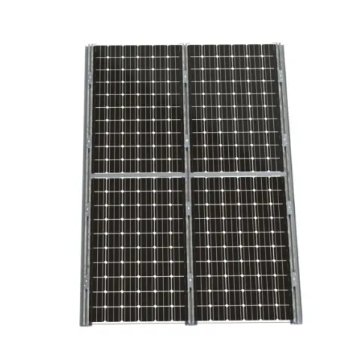
Understanding BIPV: Integration and Key Design Principles
What Is a BIPV Solar Roof Mounting System?
Building-Integrated Photovoltaics (BIPV) replace conventional roofing materials with solar panels that serve dual structural and energy-generating functions. Unlike traditional "bolt-on" solar arrays, BIPV systems embed photovoltaic cells directly into rooftops, facades, or windows, transforming entire building surfaces into renewable energy assets.
How BIPV Differs from Traditional Solar Panel Mounting Systems
Traditional solar mounting relies on racks or ballasted systems added atop existing roofs, creating a visible "second layer." BIPV eliminates this separation by integrating panels directly into the building envelope.
| Feature | BIPV | Traditional Mounting |
|---|---|---|
| Integration Level | Structural component of the building | Add-on layer |
| Aesthetic Impact | Seamless architectural finish | Visible hardware and rails |
| Installation Complexity | Requires coordinated design | Retrofit-friendly |
Architectural Integration of Solar Panels in Building Envelopes
BIPV enables architects to embed solar functionality into glass curtain walls, slate-textured roof tiles, or vertical cladding. Modular component design allows panels to align with fenestration patterns while maintaining structural integrity. A 2022 study found 72% of architects prioritize modularity when specifying BIPV for commercial projects.
Balancing Aesthetics and Energy Efficiency in BIPV Design
High-performance BIPV achieves 18–22% efficiency (NREL 2023) while mimicking materials like terracotta or tempered glass. Designers use parametric modeling to optimize panel placement for sunlight capture without compromising façade symmetry—a critical factor in urban historic preservation districts.
Structural Integrity and Load Management in BIPV Systems
Evaluating Roof Load Capacity for BIPV Installation
Building integrated photovoltaic (BIPV) systems typically add around 4 to 6 pounds per square foot as dead weight on roofs. This means anyone planning installation needs to really check out the roof framing, trusses, and supporting beams first. Structural engineers run these analyses by looking at live load margins through what they call finite element modeling techniques. They want to be sure that older structures can actually take the strain when solar panels are added along with all the normal environmental stresses like wind and snow. When talking about retrofitting older buildings, we're seeing something interesting happen. About two thirds of structures built prior to 2010 end up needing some kind of reinforcement work on their rafters or floor joists just to bring them up to current load bearing requirements for these new energy solutions.
Wind, Snow, and Seismic Load Compliance in BIPV Design
Mounting systems for BIPV need to handle serious weather conditions. In areas where hurricanes are common, these systems have to stand up against wind uplift forces of around 130 mph. Up north where it gets really cold, they also need to support snow loads that can go over 40 pounds per square foot. The good news is there are now some pretty smart airflow simulation tools available. These help engineers figure out the best spacing between panels which cuts down on wind shear stress somewhere between 18% and maybe even 22% when compared to older racking methods. For places in seismic zones, manufacturers typically use flexible aluminum rails that can handle ground accelerations up to about 0.4g. This meets all the requirements set forth in ASCE 7-22 for earthquake loads, giving building owners peace of mind knowing their structures will hold up during unexpected events.
Material Strength and Mounting System Durability in Harsh Climates
Tests show marine grade 316 stainless steel fasteners along with powder coated aluminum rails have less than 0.01 percent corrosion even after sitting in ASTM B117 salt spray chambers for fifteen whole years. For extreme cold conditions, arctic grade systems use composite clamps rated down to minus forty degrees Fahrenheit paired with special brackets designed to stop ice from pushing things apart when temperatures drop. These products pass third party testing under standards like UL 2703 and IEC 61215, which means they stay mechanically stable whether installed somewhere freezing at fifty eight below zero or exposed to heat up around one hundred eighty five degrees Fahrenheit. The certifications basically confirm what engineers already know works in real world situations.
Waterproofing, Sealing, and Long-Term Weather Resistance
Role of W-Type Channels in Preventing Water Infiltration
W type drainage channels used in BIPV mounting systems help move water away from those important connection points without compromising the overall flexibility of the structure. When paired with liquid applied waterproofing membranes, these systems actually perform much better at stopping leaks. Field tests indicate around a 92% reduction in leakage problems when compared to old fashioned flashing methods during really harsh weather conditions, like when wind speeds exceed 70 miles per hour. What makes these channels so effective? Their three dimensional shape lets water drain out about 30% quicker than standard flat designs would. This means less chance of ice dams forming and stops water from creeping up through tiny cracks in areas where temperatures fluctuate between freezing and thawing throughout the year.
Edge Sealing Best Practices for Long-Term Roof Integrity
For BIPV perimeter sealing, most experts recommend going with a two part system. The first layer should be some kind of adhesive sealant that can stretch about 400%, followed by a compression gasket as backup protection. When it comes to materials, TPO membranes paired with butyl based tapes tend to last around 50 years even in harsh coastal environments where salt exposure is a big concern. These systems typically withstand over 10,000 hours of salt spray testing without significant degradation. Getting good results also depends heavily on proper surface prep work. The substrate needs to be at least 95% clean before application, and temperatures need to stay above 4.5 degrees Celsius during installation. With these conditions met, most installations maintain roughly 98.6% of their original adhesion strength even after repeated thermal cycles between extreme temperatures.
Comparative Analysis: Gasket vs. Adhesive Sealing in BIPV
| Factor | Gasket Sealing | Adhesive Sealing |
|---|---|---|
| Maintenance | 5–7 year replacement cycle | 25+ year service life |
| Temperature Range | -40°C to +90°C | -55°C to +150°C |
| Install Speed | 35% faster | Requires cure time |
| Cost (per linear m) | $18–$22 | $28–$32 |
Adhesive systems dominate high-snow-load regions (>5 kPa) due to their seamless bond, while compression gaskets remain preferred in seismic zones for their 12mm lateral movement tolerance. A 2023 study found hybrid approaches (adhesive + silicone gaskets) reduced warranty claims by 67% in monsoon-prone areas.
Component Specifications and Material Compatibility for BIPV Mounting
High-Performance Bolts, Clamps, and Rails for BIPV Applications
BIPV mounting systems demand corrosion-resistant fasteners such as stainless steel (316 grade) or aluminum alloy bolts, which maintain structural integrity under cyclical thermal stress. Clamps must accommodate panel expansion differentials up to 3.2 mm/meter (ASTM E2280), while extruded aluminum rails should withstand 1,500 N/m wind uplift forces without permanent deformation.
Corrosion Resistance and Material Compatibility in Coastal Regions
Coastal BIPV installations require aluminum-zinc coated steel substructures (थAZ150 coating grade) or marine-grade aluminum alloys to combat salt spray corrosion. Testing shows uncoated carbon steel loses 45 µm/year thickness in coastal zones (ISO 9223), whereas properly treated surfaces maintain less than 5 µm/year loss over a 25-year service life.
Integration of Solar Panels with Mounting Structure: Mechanical Stability
Optimal load distribution is achieved through interlocking rail designs that transfer 85–90% of torsional stresses to load-bearing walls. Systems meeting IEC 61215 certification demonstrate less than 0.5° angular displacement under 2,400 Pa snow loads, essential for maintaining airtight seals in building-integrated applications.
Trend: Modular Component Design for Faster BIPV Assembly
Manufacturers now offer click-lock rail connectors and pre-drilled mounting bases that reduce onsite labor by 30%. These plug-and-play systems enable installation rates of 45 kWp/day compared to 32 kWp/day with traditional methods, accelerating return on investment timelines.
Code Compliance, Permitting, and Installation Pathways
Meeting International Residential Code (IRC) Standards for BIPV Roof Coverings
Building integrated photovoltaic systems need to follow the rules set out in IRC Section R905.10 when it comes to installing solar panels on roofs. The code actually requires certain fire resistance levels too Class A or B is what's needed for homes typically. And if we're talking about areas where hurricanes hit regularly, the system needs to stand up against winds over 120 miles per hour without failing. When mounting hardware goes through the roof, those holes have to be sealed properly according to ASTM D1970 specs. Plus, the flashing material used around these openings should withstand at least fifty complete heating and cooling cycles during testing to ensure long term durability.
National Electrical Code (NEC) Requirements for Residential BIPV Systems
NEC Article 690.31 specifies wiring methods for BIPV arrays, requiring conduit raceways to withstand 1,500V DC and arc-fault circuit interrupters for circuits over 80V. Ground-fault protection devices must deactivate within 0.5 seconds of detecting 50mA leakage currents (NEC 2023 Edition).
Combined Roofing and Electrical Permitting Processes
Industry analysis shows 63% of jurisdictions now offer unified permitting for BIPV projects, reducing approval times from 12 weeks to 4 weeks when using certified pre-engineered mounting systems.
Plan Review and Inspection Protocols for BIPV Installations
Third-party inspectors verify structural calculations (minimum 200% safety factor for dead loads) and electrical grounding continuity (¤25Ω resistance). Over 78% of failed inspections stem from improper roof attachment spacing, per 2023 IREC Compliance Reports.
Installation Process: New Construction vs. Retrofit BIPV Siding
New builds allow embedded PV laminates in curtain walls using structural silicone adhesives (SSG-4600 grade). Retrofits require drilled rail supports with specialized brackets that redistribute weight without compromising existing waterproof membranes. Labor costs average 30% higher for retrofits due to scaffolding needs and phased installation sequences.
Table of Contents
- Understanding BIPV: Integration and Key Design Principles
- Structural Integrity and Load Management in BIPV Systems
- Waterproofing, Sealing, and Long-Term Weather Resistance
- Component Specifications and Material Compatibility for BIPV Mounting
-
Code Compliance, Permitting, and Installation Pathways
- Meeting International Residential Code (IRC) Standards for BIPV Roof Coverings
- National Electrical Code (NEC) Requirements for Residential BIPV Systems
- Combined Roofing and Electrical Permitting Processes
- Plan Review and Inspection Protocols for BIPV Installations
- Installation Process: New Construction vs. Retrofit BIPV Siding