
 EN
EN



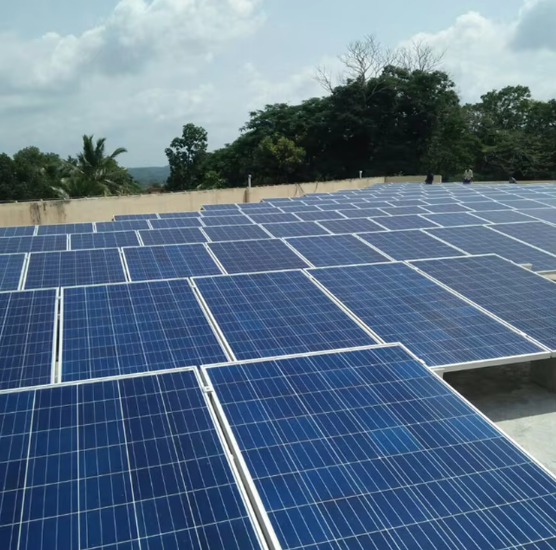
Initial Investment: Comparing Upfront Costs of Solar Mounting Systems
Material Costs Breakdown for Roof Mount vs Ground Mount Solar Mounting Systems
Solar panels installed on rooftops generally need about 15 to 30 percent fewer materials than when mounted on the ground because they can use what's already there structurally. The aluminum rails used for rooftop setups usually run around 40 cents to 70 cents per watt. Ground mounts are another story altogether though. They come with extra costs for things like steel posts that might set homeowners back anywhere from two hundred bucks up to fifteen hundred dollars. Then there are concrete footings which can add another one hundred fifty to eight hundred dollars, plus all the digging equipment needed. Looking at numbers from the latest Solar Mounting Cost Report for 2024 shows typical prices for residential rooftop systems falling between ten thousand and twenty five thousand dollars. Ground mounted options tend to be pricier still, ranging from fifteen thousand up to thirty thousand dollars. Makes sense really since ground installs involve so much more work and materials.
Labor and Installation Expenses by Mounting Configuration
Setting up ground mounted systems takes about 20 to 40 percent more work because of all the prep needed for the site plus putting together the actual structure. When it comes to roof installations there are often unexpected costs lurking around too. Sometimes they need to reinforce those trusses which happens roughly 15 times out of every hundred projects, not to mention fixing up the waterproofing where necessary. Sure, people who buy DIY ground mounting kits save around 30% on labor costs, but getting someone qualified to install them is still pretty much mandatory if we want to stay within wind load regulations. These installations have to withstand winds blowing at speeds reaching 140 miles per hour after all, so cutting corners here just isn't worth the risk.
Regional Variations in Solar Mounting System Deployment Costs
The cost of materials and labor can swing anywhere between 18 to 35 percent depending on where construction takes place, mainly because different regions have their own building regulations and varying access to skilled workers. For instance, coastal regions need special materials that resist corrosion such as those zinc aluminum alloy mixes, which naturally drives up expenses around 12 to 18 percent extra. Transporting big heavy parts to rural spots adds another 8 to 15 percent onto the bill since getting equipment to remote locations just costs more money. Looking at numbers compiled in the Regional Solar Economics Studies, we find that installing systems in the Northeastern part of the United States typically runs about 22 percent above what's average nationwide, mostly because buildings there must handle heavier snow loads than elsewhere in the country.
Residential vs Commercial Project Cost Differentials
Commercial solar projects benefit from 18–25% lower costs through bulk purchasing and streamlined workflows. Residential systems average $2.80–$3.50/watt installed, while commercial projects under 250 kW typically cost $2.10–$2.60/watt. Tax exempt organizations achieve an additional 12–15% savings through favorable depreciation schedules on mounting infrastructure.
Long Term Value: Maintenance, Durability, and Operational Expenses
Maintenance frequency and repair costs over the lifespan of a solar mounting system
Ground mounted systems require 40% less frequent maintenance than roof mounted systems due to easier access and reduced debris accumulation (NREL 2024). Key differences include:
| Factor | Roof Mounted | Ground Mounted |
|---|---|---|
| Average inspection | 3x/year | 2x/year |
| Part replacements | $120–$180/annual | $80–$120/annual |
Durability and weather resistance of different solar mounting systems
Galvanized steel systems show less than 2% material degradation after 25 years in coastal environments, outperforming aluminum by 9–15 years (Ponemon Institute 2023). Polycarbonate components in hybrid systems retain 93% UV resistance over a decade, according to the 2024 Renewable Energy Maintenance Report.
Inspection requirements and associated long term operational costs
Insurance providers often require bi annual structural assessments for roof mounted systems, adding $300–$800 annually in compliance costs. Ground mounted systems avoid 72% of these requirements due to superior wind load stability under ASCE 7 22 standards.
Performance Impact: How Mounting Type Influences Energy Efficiency
Energy Output Comparison Between Roof Mounted and Ground Mounted Solar Systems
Ground mounted systems generate 8–12% more annual energy than roof arrays due to optimal placement and minimal shading. Industry data shows ground installations achieve 92% sunlight utilization versus 84% for rooftop systems, largely because of adjustable tilt capabilities.
Shading, Roof Orientation, and Their Effect on Solar Panel Performance
South facing systems in northern latitudes capture 15–25% more energy than east west orientations. Partial shading can reduce rooftop output by 34%, whereas ground mounted systems avoid this issue through strategic siting. Analysis by the International Renewable Energy Agency indicates optimal positioning increases production by up to 20% in variable climates.
Advantages of Optimal Tilt and Alignment in Ground Mounted Solar Mounting Systems
Adjustable ground mounts improve winter output by 18% compared to fixed angle roof systems. Single axis tracking boosts yield by 20–30% through continuous sun alignment, as shown in large scale solar mounting system research. Dual axis systems offer 40% gains but come with higher initial costs.
Financial Analysis: ROI, Incentives, and Long Term Savings
Return on Investment Timelines for Different Solar Mounting System Types
Most ground mounted solar setups usually hit their return on investment somewhere between 8 to 12 years, even though they cost more upfront. Installation prices run around $2.50 to $3.50 per watt compared to about $1.80 to $2.50 per watt for those roof mounted options. These ground systems tend to last way longer too, sometimes pushing past 35 years which is roughly 10 to 15 years extra compared to what we see with roof mounts according to research from NREL back in 2023. For businesses putting panels on commercial rooftops, the payback period tends to be quicker, generally falling within 6 to 9 years thanks to better energy production. But things look different for homeowners installing ground systems in colder areas where winter months really cut down on output, so these might not break even until somewhere between 11 and 14 years have passed.
Balancing Upfront Investment With Long Term Energy Savings
Smart component choices reduce lifetime costs by 18–22% across all system types. For example, aluminum racking adds $0.15/Watt upfront but cuts annual maintenance by $120–$180 compared to steel. Optimized tilt angles in ground mounted systems increase annual production by 9–14%, accelerating ROI by 1.2–2.3 years based on utility scale field data.
How Tax Credits and Incentives Reduce Net Solar Mounting System Costs
The federal Investment Tax Credit or ITC cuts what people actually pay out of pocket by around 30 percent all the way through 2032. And then there are those extra state rebates too which can knock another 10 to 25 percent off installation costs depending where someone lives, say places like California or Massachusetts. Business owners looking at solar installations have it even better since they can pair MACRS depreciation rules with whatever local incentives exist to get back roughly half their total investment within just one year alone. According to a recent report from SEIA in 2024, homeowners who take advantage of all available tax breaks end up seeing their break even point come almost four years sooner than those who don't participate in these programs.
Strategic Optimization: Site Specific Factors and Cost Saving Solutions
Site Specific Challenges Impacting Solar Mounting System Economics
Every location brings its own set of headaches. For instance, when dealing with sloped land, we often need special racking systems which can tack on about $1.20 per watt just for stabilization purposes. Windy areas require stronger foundations to hold everything in place. Installing solar panels on city rooftops usually costs around 18 percent more because engineers have to do all sorts of calculations about how much weight the structure can handle. Then there's the issue with rocky ground that makes drilling so much more expensive, sometimes pushing costs up by nearly a third according to research from NREL back in 2023. And don't even get me started on coastal properties where corrosion is a constant threat. We typically end up using galvanized steel or aluminum alloys there, which means spending roughly 22% extra compared to regular materials.
Design Optimization and Material Selection to Lower Solar Mounting System Costs
Lightweight aluminum rails reduce roof load stress, cutting reinforcement needs by 40% in retrofits. Pre assembled torque tubes and standardized clamps save 2.8 labor hours per kW. Emerging polymer composite bases offer 90% corrosion resistance at 17% lower cost than steel, based on accelerated aging tests from Fraunhofer ISE (2024).
Modular and Scalable Mounting Solutions for Future Expansion
Homeowners can save around $3,800 by using expandable rail systems for their solar installations rather than going all out with full scale builds from day one. For businesses looking at larger scale operations, those adjustable tilt mounts make a real difference when energy needs change over time. We've seen commercial clients get about 12 percent better return on investment after fifteen years just by having this flexibility built into their mounting systems. And then there's floating solar technology which really opens up new possibilities. These arrays can be scaled up nearly twice as much on water surfaces compared to what's possible on limited land areas. The best part? Mooring systems let operators boost capacity by roughly 30% without needing any major structural modifications to existing infrastructure.
Table of Contents
- Initial Investment: Comparing Upfront Costs of Solar Mounting Systems
- Long Term Value: Maintenance, Durability, and Operational Expenses
- Performance Impact: How Mounting Type Influences Energy Efficiency
- Financial Analysis: ROI, Incentives, and Long Term Savings
- Strategic Optimization: Site Specific Factors and Cost Saving Solutions