
 EN
EN



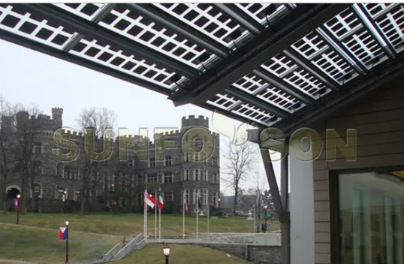
BIPV Mounting Fundamentals: Structural Logic and System Types
Stick vs. Unitized Systems: Load Path, Installation Speed, and BIPV Integration Depth
When stick built systems are assembled piece by piece at the job site, they create straightforward load paths running from those solar panels right down to the building's support structure. While this approach gives installers flexibility to tweak things for oddly shaped rooftops, it does take longer overall – typically around 30 to 40 percent more time than when using pre-made units. On the flip side, prefabricated systems come already put together as full panels with all the mounting hardware included. This cuts down on labor expenses by about a quarter and makes integrating photovoltaics into buildings much smoother since everything is weather sealed as one unit. The downside? These factory made panels distribute weight evenly across the whole building skin, which means manufacturers have to get their measurements absolutely spot on during production. No matter which system gets chosen, both need to handle serious wind forces – over 144 miles per hour in areas hit by hurricanes regularly – plus account for tiny expansions and contractions in aluminum frames, roughly plus or minus 3 millimeters for every meter of length.
Point-Supported and Ventilated Facade Systems: Balancing Aesthetics, Thermal Performance, and Airflow in BIPV Cladding
Point supported facades rely on small brackets to hold up photovoltaic glass panels, creating that clean look architects love while still being structurally transparent. The system leaves around 20 to 50 millimeters of space behind the cladding which actually makes a big difference. Surface temps drop about 14 degrees Celsius this way, and buildings need roughly 18 percent less cooling overall. Air keeps flowing through continuous channels behind the panels too, so condensation doesn't form and excess heat gets carried away from those solar cells. That little extra airflow can boost energy production by somewhere between 5 and 8 percent in hotter regions. Design teams have their work cut out for them when it comes to balancing how much the materials expand with temperature changes (about plus or minus 6mm) versus keeping profiles as slim as possible. For spans longer than 1.5 meters, they typically go with reinforced glass options. And let's not forget water management either. Properly sloped drainage paths combined with capillary breaks at the joints help keep insulation dry without messing up that smooth appearance that's so important for building integrated photovoltaics in architecture.
Roof-Specific BIPV Mounting Solutions and Application Fit
Standing Seam Roof Integration and Peel-and-Stick Low-Slope Systems for Seamless BIPV Roofing
When installing Building Integrated Photovoltaics (BIPV), standing seam roof integration attaches the solar modules right onto the metal roof seams. This approach gets rid of those pesky penetrations which helps keep things watertight and makes the whole system stand up better against strong winds. The technique works really well on steep slope roofs where it creates a clean look that matches the building's design. For flat or gently sloped roofs, there's another option called peel and stick. These systems use special adhesives to attach solar panels without all the drilling and fastening required traditionally. Contractors report cutting down installation time by around a quarter when using these sticky solutions. Plus, most come with built in drainage features so water doesn't just sit there causing problems. While standing seam installations perform best on metal surfaces, peel and stick works great on modified bitumen roofs and similar materials. Both approaches deliver solid performance over time and help buildings generate more electricity regardless of what kind of roof they happen to have.
Material Selection and Building Envelope Integrity for BIPV Mounting
Building-integrated photovoltaic (BIPV) mounting systems require strategic material choices to maintain structural stability and weather protection—directly impacting energy efficiency and building longevity.
Aluminum vs. Galvanized Steel: Corrosion Resistance, Thermal Expansion, and Long-Term BIPV Reliability
Aluminum stands out when it comes to resisting corrosion because of that protective oxide layer it forms naturally. This makes aluminum a great choice for places near the coast or areas with lots of humidity where salt air and other pollutants hang around. But there's a catch worth mentioning. The metal expands quite a bit when temperatures change, about 23 micrometers per meter per degree Celsius actually. So installers need to make sure they include some flexibility in their mounting systems otherwise those solar panels might get stressed out during hot summer days followed by cold nights. Galvanized steel is another option though. It tends to be stronger structurally while costing less upfront money. Still, regular maintenance of the zinc coating becomes necessary if we want to keep rust at bay in really tough climates. And speaking of expansion rates, galvanized steel only expands around 12 micrometers per meter per degree which works well enough for installations where temperature fluctuations aren't so extreme. Looking at long term performance over 25+ years, many field reports suggest aluminum installations require roughly 30 percent less maintenance work compared to alternatives in areas prone to corrosion issues.
Waterproofing, Drainage, and Sealing Strategies in Ventilated vs. Monolithic BIPV Assemblies
Ventilated BIPV systems manage moisture through air gaps behind cladding:
- Weep holes and drainage channels redirect water
- Vapor-permeable membranes prevent condensation buildup
- Thermal buoyancy naturally dries cavities, reducing mold risk
Monolithic designs rely on continuous seals:
- Liquid-applied waterproofing creates seamless barriers
- Compression gaskets at joints accommodate movement
- Slope-integrated trays guide runoff away from critical zones
Both approaches must address wind-driven rain penetration at seams—a leading cause of envelope failures during extreme weather events.
Innovative BIPV Mounting Applications Beyond Standard Surfaces
Curved Facades, Historic Renovations, and Solar Carports: Custom Mounting Approaches for Complex BIPV Integration
Building-integrated photovoltaics (BIPV) goes way beyond just sticking panels on flat roofs. Specialized mounting systems make it possible to install solar tech even on buildings with complicated shapes and designs. When dealing with curved facades, installers use flexible rails and brackets that bend around the architecture while still keeping everything structurally sound and generating good electricity output. For old buildings undergoing renovation work, there are now clamp systems and tiny anchors that attach to existing structures without damaging historical elements. Take solar carports as another great example. These aren't just regular shade structures anymore but actual power generators sitting right above parking lots. They come with proper drainage channels so rainwater doesn't pool, plus reinforced frames to withstand strong winds. All these customized approaches mean BIPV can now work in places we never thought possible before. Cities from New York to Tokyo are seeing parking garages become mini power stations, and historic districts getting solar upgrades without losing their character. The economics look better too when property owners generate their own clean energy while still serving their communities.