
 EN
EN



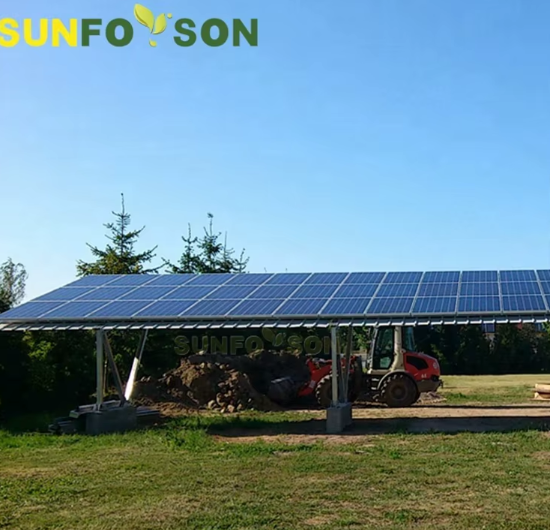
Why Dual-Row Solar Carport Layouts Deliver Maximum Space and Energy Efficiency
Balancing Parking Density, Solar Yield, and Site Utilization
Solar carports arranged in dual rows get better use out of available space since they can fit about 40 to 50 percent more cars compared to regular single row setups. When panels are angled just right between 15 and 30 degrees and spaced properly between rows, these designs actually produce around 18% more electricity per square meter without messing up how people park or use the area. Getting rid of shadows on the panels matters a lot too. Research from NREL shows that if just 10% of a panel gets shaded somehow, output drops by about 30%. That's why getting the layout right matters so much when the sun is shining strongest. Another good thing about these structures is their modular design which makes them pretty flexible for operations. They work well for removing snow, letting maintenance crews move around, and keeping paths open for pedestrians all while saving money because there's no need to buy extra land for installation.
Critical Clearance Requirements: Aisle Width, Row Spacing, and EV Charger Integration
For dual row solar panel layouts, we need those wide 4.5 meter aisles so emergency vehicles can get through when needed. And between the rows themselves, there should be around 6 to 7 meters space. That's actually 25% wider than what the International Building Code requires for fire safety, but it helps avoid shading issues completely. When it comes to electric vehicle infrastructure these days, most commercial setups already have them built in. About half of all installations feature Level 2 chargers right inside the support columns. This means the foundation work needs to handle pretty hefty lateral loads, around 1500 kg to be exact. The UV resistant conduits used throughout keep cables safely hidden away while still meeting accessibility standards with that 2.1 meter clearance height requirement from ADA regulations. All these specs together mean sites are ready for whatever new tech comes along next without having to spend big bucks on retrofitting later on. Think about things like automated snow melting systems that might become common in colder regions down the road.
T-Shape Solar Carport Design: The Proven Standard for Dual-Row Applications
Structural Advantages: Symmetrical Load Distribution and Minimal Ground Footprint
T-shaped designs have this central post with matching arms that reach across two parking lanes at once. The way it's built spreads weight evenly throughout the structure, which cuts down on stress points and makes the whole thing stand up better against strong winds. Since there are fewer posts needed overall, we're talking about saving around 15% on materials when compared to those lopsided setups. That means these structures take up less space on the ground while still fitting right in places where space is tight, such as business parks or city owned land areas. Plus, because of how symmetrically everything is arranged, parking capacity stays high without compromising on safety standards, keeping the structure solid for years to come.
Performance Validation: 22% Higher kWh/m² vs. Linear Designs – Austin Case Study
Field tests conducted over twelve months in Austin during 2023 showed that T-shaped solar carports produce about 22 percent more electricity per square meter compared to standard linear dual row setups. The reason? Panels maintain better positioning throughout both rows, which means they catch sunlight from wider angles during the day while reducing shadows between rows even when weather changes. Monitoring results revealed pretty steady power generation through all seasons too. This makes the T-shape design particularly reliable for places needing lots of energy where getting returns quickly matters as much as environmental impact does.
Customizing Your Solar Carport for Dual-Row Sites: Modularity, Scalability, and Code Compliance
Adjustable Cantilevers and Modular Spans for Variable Bay Sizes and Future Expansion
Adjustable cantilever systems can be tweaked to fit all sorts of different vehicles, whether it's an 8 foot compact parking space or a bigger 10 foot area for SUVs. This means the canopy covers everything properly without leaving extra bits hanging out where they don't need to be. The modular design uses standard parts which makes putting them together much easier. Plus, businesses can expand their setup gradually if needed. For instance, adding electric vehicle charging stations or battery storage options down the road doesn't require tearing everything apart. Looking at the numbers, this kind of flexibility actually cuts down on future retrofitting expenses somewhere around 20% to 30%. Companies avoid spending money on unnecessary features upfront while still being able to grow according to actual demand rather than guessing what might happen later.
Meeting Local Zoning, Wind/Snow Load, and Fire Setback Requirements
Getting things right when installing equipment really depends on following those local rules carefully. Different areas have their own specific requirements for things like how high something can be placed (usually at least seven feet off the ground), how far back from property lines it needs to sit, and what kind of wind resistance is needed especially along coastlines where winds can hit over 120 mph. Cold climate regions typically require snow load ratings of 30 pounds per square foot or better, so that's something to keep in mind too. Fire safety regulations are pretty strict as well, often demanding a ten foot gap between installations and other buildings according to both NFPA 1 standards and whatever local fire codes apply. Talking to the people who handle permits early on makes life much easier later because they can help navigate all these different departments including zoning, construction, electricity work, and fire safety inspections. This kind of upfront communication usually speeds things along and saves everyone headaches down the road.