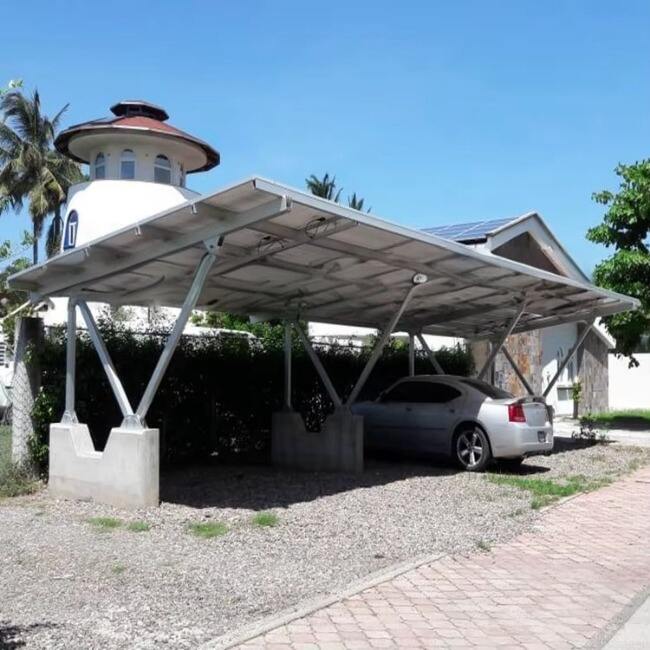
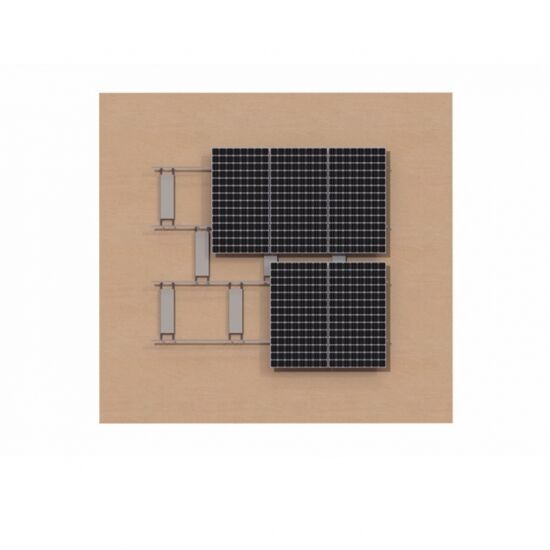
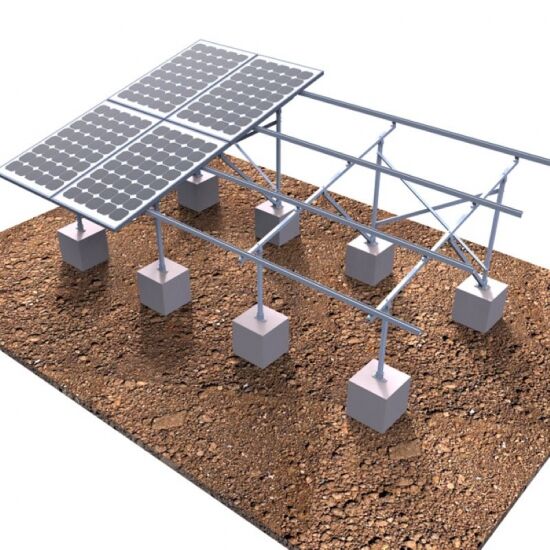
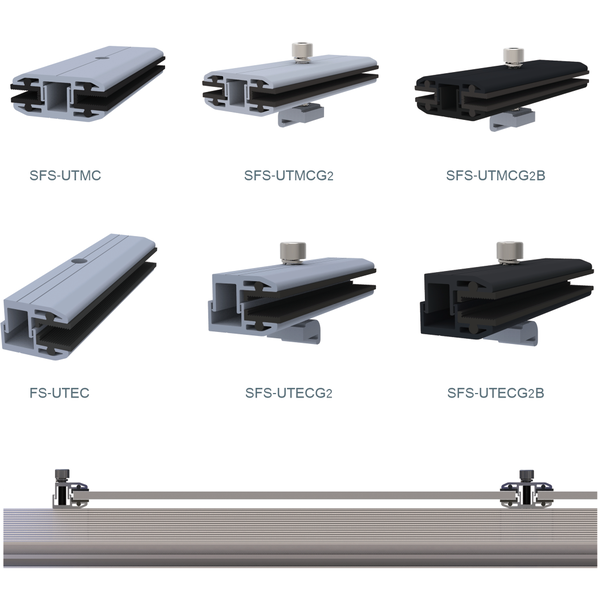
PV mounting systems for balconies are specialized structures designed to install solar panels on apartment or condominium balconies, enabling urban residents to harness solar energy without access to rooftop space. These systems are engineered to address unique challenges: limited space, weight restrictions (typically 50–100 kg/m²), and compliance with building codes that prohibit roof modifications. Constructed from lightweight aluminum alloys (6061-T6) or high-strength steel, they feature a compact footprint, with modular components that attach to balcony railings, walls, or floors using clamp-on or bolt-on hardware (avoiding permanent roof penetration). The system’s design prioritizes adjustability, allowing users to tilt panels between 15°–45° to optimize sunlight exposure (critical for balconies with partial shade). Many models include height-adjustable legs or sliding rails to accommodate panel sizes (60-cell or 72-cell) and balcony dimensions (depth 1–2 meters). Safety is paramount: PV mounting systems for balconies are tested to withstand wind loads up to 100 km/h (common in urban areas) and include anti-tip brackets to prevent instability. They also integrate cable management clips to organize wiring, reducing trip hazards. Compliance with regional standards—such as Germany’s DIN 18015 for structural safety or France’s NFC 15-100 for electrical installations—ensures compatibility with European and global building codes. For users, these systems offer plug-and-play functionality, with pre-assembled components that simplify DIY installation (typically 1–2 hours per panel). Capacity ranges from 300–1500 W per system, enough to power household appliances or charge electric vehicles. By democratizing solar access in urban environments, PV mounting systems for balconies transform underutilized balcony space into renewable energy hubs, making sustainable living achievable for city dwellers.