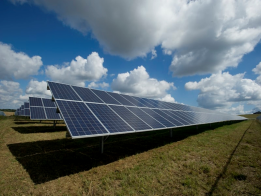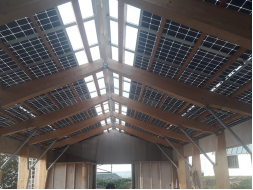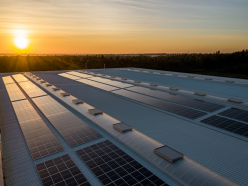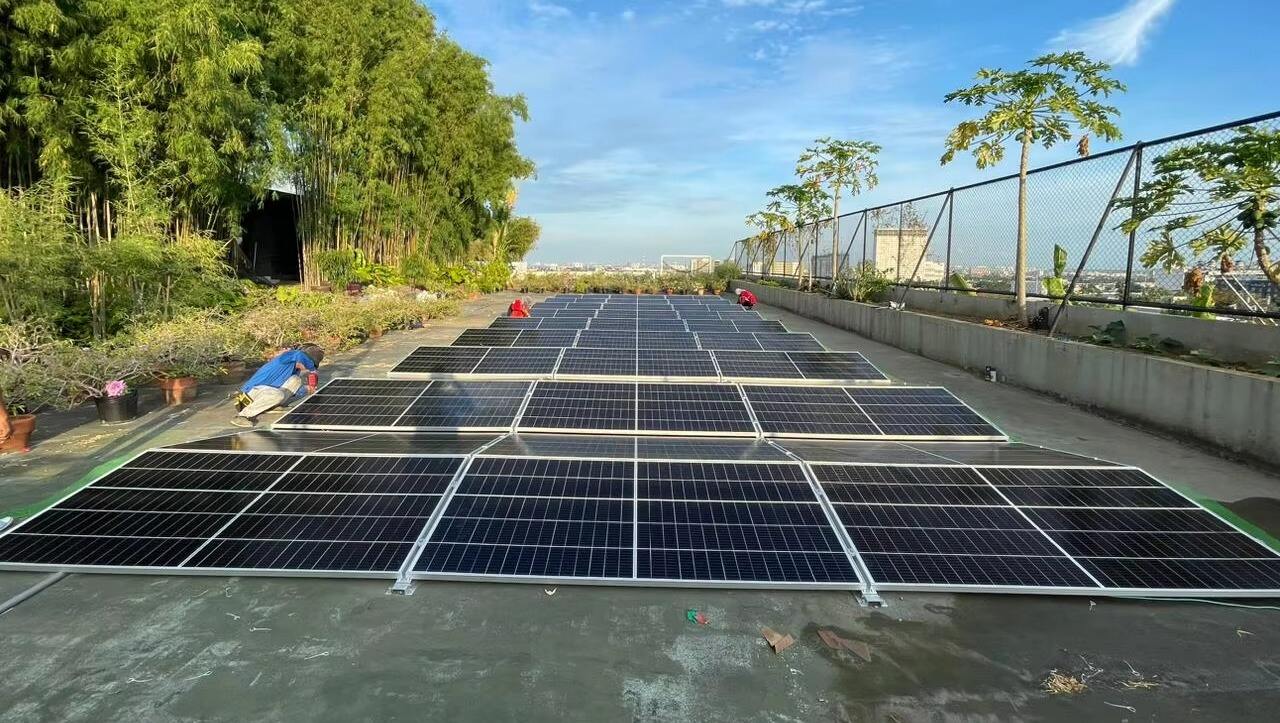
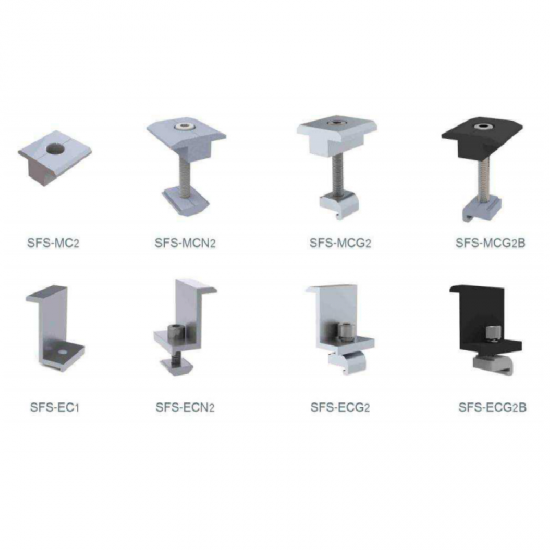
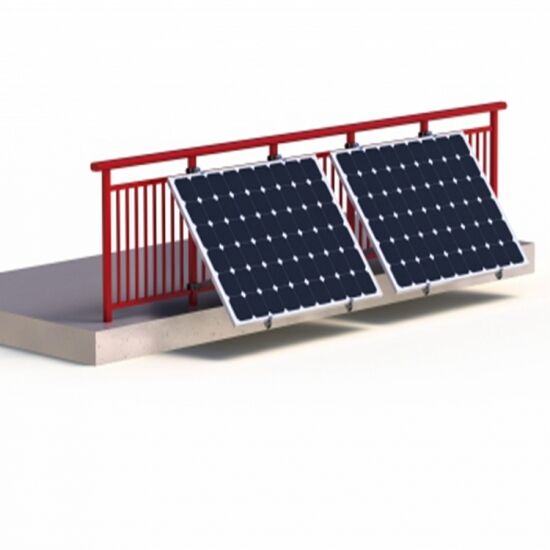
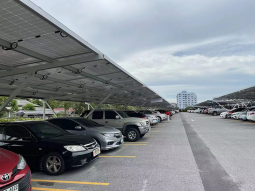
PV solar panels DIY installation refers to the process of installing photovoltaic solar panels by homeowners or non-professionals, leveraging user-friendly mounting systems and pre-assembled components to simplify setup. This approach is ideal for small-scale residential systems (2–6 panels) powering sheds, cabins, or supplementing home electricity. The process begins with planning: assessing roof or ground space for sunlight exposure (avoiding shade from trees/buildings), calculating energy needs to determine panel quantity, and ensuring compliance with local permits and electrical codes. Next, mounting hardware is installed—for rooftops, this involves securing rails to roof brackets (using flashing to prevent leaks); for ground setups, assembling aluminum stands with adjustable tilts. Panels are then attached to rails using clamps, with careful alignment to maximize sunlight capture. Electrical connections follow: linking panels in series/parallel with MC4 connectors, routing cables to a microinverter (mounted near panels) or string inverter (installed indoors), and connecting to the home’s electrical system via a dedicated circuit breaker (by a licensed electrician, in most regions). Key tools for DIY installation include a drill, torque wrench, level, and wire strippers, with many kits including pre-sized hardware to reduce guesswork. Safety precautions are critical: working at heights requires fall protection; electrical work demands insulated tools and gloves; and panels must be handled carefully to avoid glass damage. Sunforson’s DIY-friendly products—such as pre-drilled rails, color-coded connectors, and step-by-step manuals—simplify the process, ensuring even novice installers can achieve secure, code-compliant setups. While larger systems still require professionals, PV solar panels DIY installation empowers homeowners to adopt renewable energy, reducing costs and fostering hands-on engagement with their solar setup.