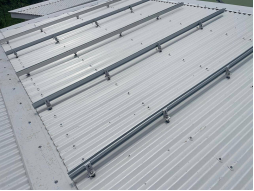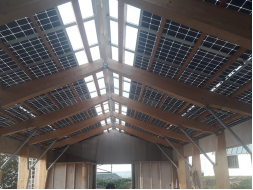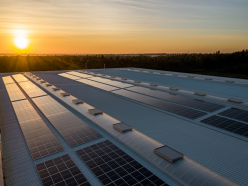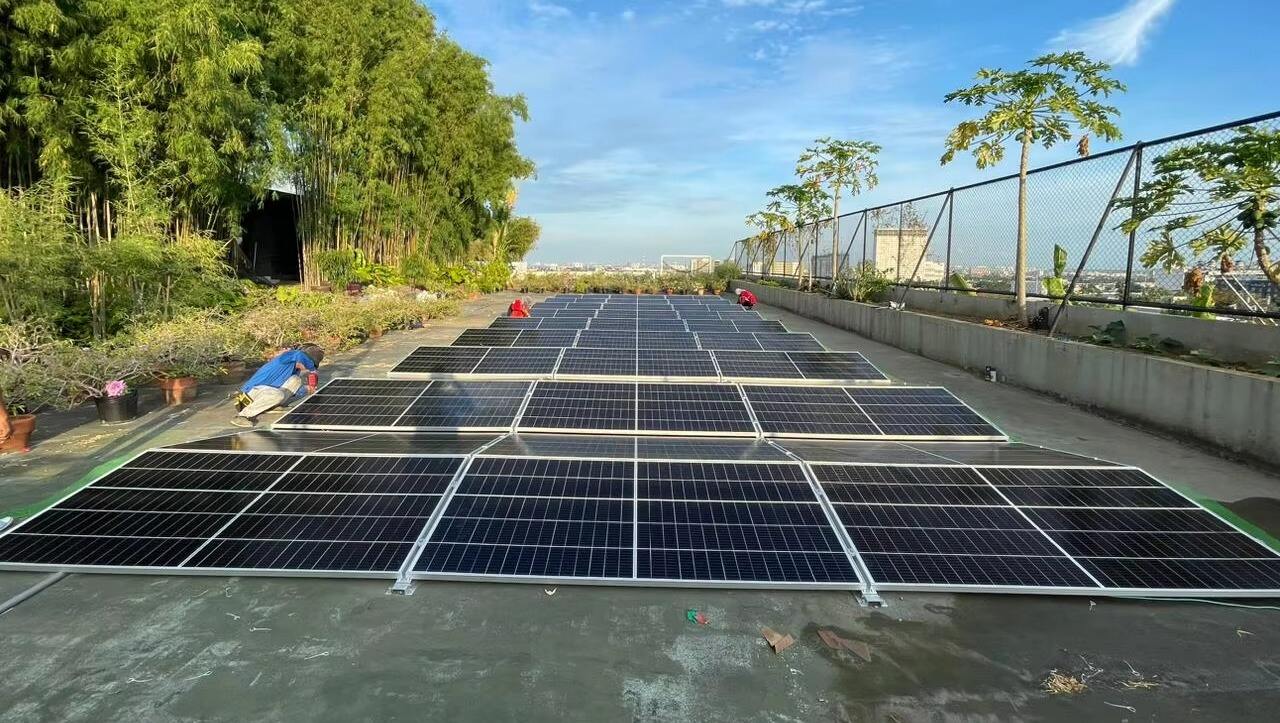
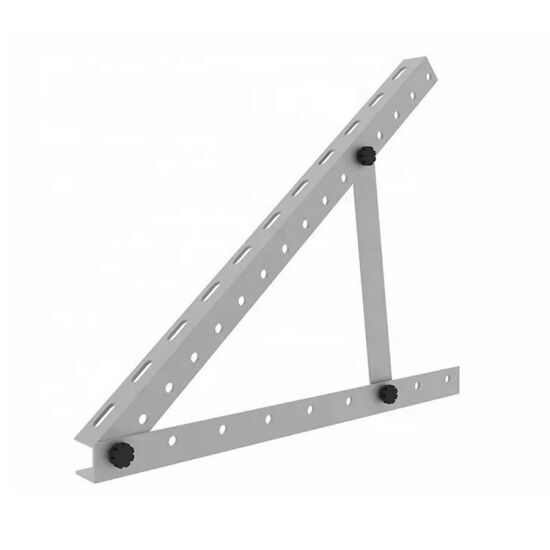
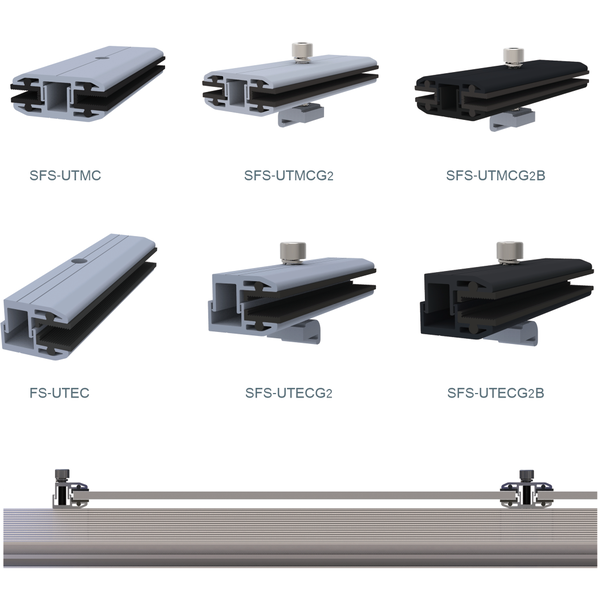
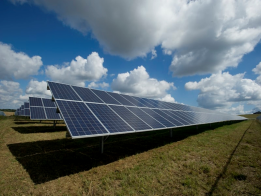
Solar panel stand installation is a systematic process of assembling and securing ground-mounted or free-standing solar panel 支架 (stands) to ensure stable, optimal positioning of solar arrays. This process involves several key steps, beginning with site assessment to evaluate soil type, sunlight exposure, and drainage—critical for determining stand placement and foundation type (concrete footings for heavy clay, helical screws for loose soil). The next phase is foundation preparation: for permanent installations, concrete footings are poured and cured to anchor vertical posts; for temporary setups, ground spikes or ballast blocks (weighted with concrete) are used to stabilize the base without excavation. Once foundations are set, the stand frame is assembled, typically using galvanized steel or aluminum components. Vertical posts are secured to foundations, followed by horizontal crossbars and tilt rails, with connections tightened to manufacturer-specified torque (8–15 N・m) to ensure rigidity. Tilt angle adjustment is a critical step, with rails positioned at 10°–45° based on latitude (steeper angles for higher latitudes) to maximize sunlight capture. Solar panels are then mounted to the rails using end and mid clamps, with panels aligned to avoid shading between rows. Electrical wiring is routed through cable management channels integrated into the stand, connecting panels to inverters. Safety protocols include using fall protection for elevated work, verifying load capacity (ensuring stands support panel weight plus snow/wind loads), and checking alignment with a level to prevent uneven stress. Sunforson provides detailed installation guides and technical support, ensuring compliance with international standards like IEC 62715 and local building codes. Proper solar panel stand installation not only ensures structural safety but also optimizes energy production, with precise angle alignment boosting efficiency by up to 15% compared to misaligned systems.