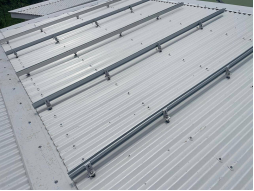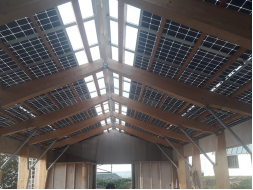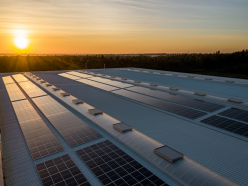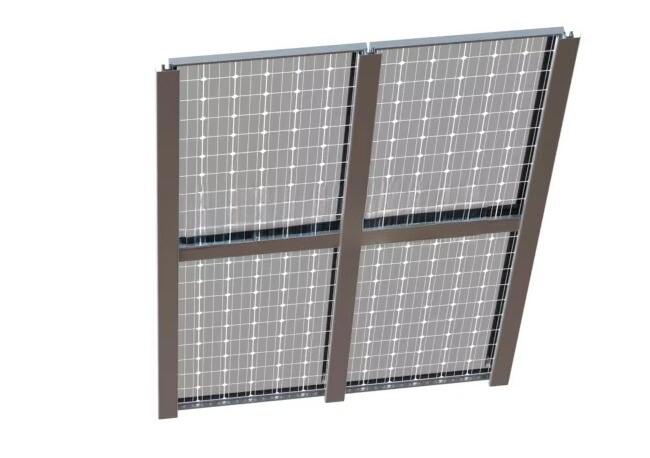
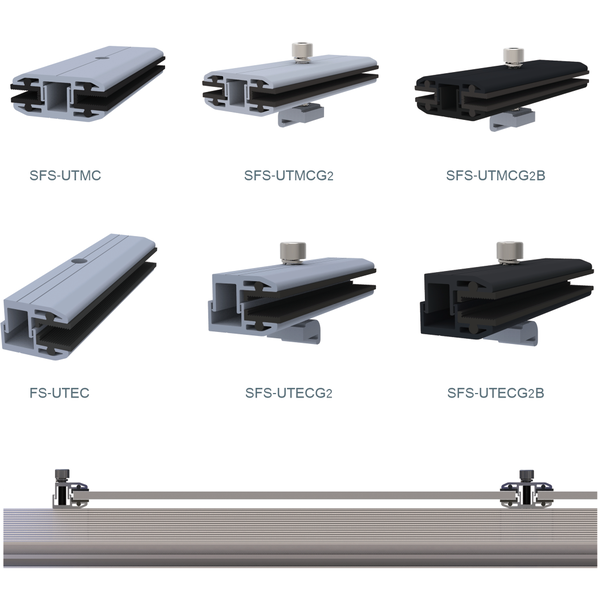
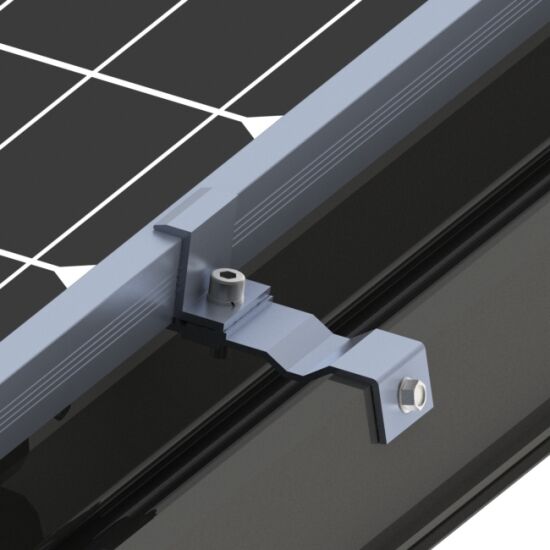
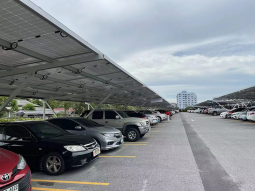
Solar rail mounting brackets are critical components that connect solar panels to mounting rails, providing a secure, adjustable interface between the panels and the underlying structure (roofs, ground mounts, or carports). These brackets are engineered to accommodate thermal expansion/contraction of panels and rails, ensuring long-term stability without stressing the system. Constructed from corrosion-resistant materials—typically aluminum alloy (6061-T6) for lightweight applications or stainless steel (316) for coastal/high-humidity environments—they feature a durable design that withstands UV radiation, rain, and extreme temperatures (-40°C to 85°C). Solar rail mounting brackets come in two primary types: end clamps (securing panel edges) and mid clamps (fastening adjacent panels), with both offering adjustability to fit panel frame thicknesses (30–50mm) and rail profiles (T-slot, C-channel, or square tube). Key features include slotted holes for fine-tuning panel alignment (critical for maximizing sunlight exposure) and non-slip gaskets (EPDM or silicone) to prevent panel movement and reduce noise from vibration. Installation is streamlined, with hardware (stainless steel bolts, nuts) included to attach brackets to rails, requiring minimal tools. Many brackets comply with international standards such as UL 2703 (for mounting system safety) and IEC 62715 (for PV module performance), ensuring they meet load requirements (up to 6 kN/m² for snow and 2 kPa for wind). For installers, these brackets simplify system assembly, allowing for quick panel positioning and reducing labor costs. Whether used in residential rooftop systems, utility-scale ground arrays, or commercial carports, solar rail mounting brackets form the backbone of solar installations, ensuring panels remain securely fastened while optimizing energy production.