
 EN
EN



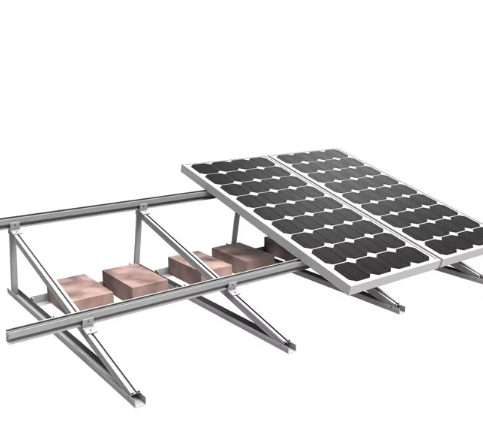
Key Types of Solar Mounting Systems for Commercial Applications
Fixed-tilt, adjustable-tilt, and tracking systems: Overview and use cases
The fixed tilt solar mounting systems dominate commercial rooftops because they're simple, built to last, and typically come with service lives exceeding 25 years. These make sense for businesses where consistent performance matters more than squeezing every last watt out of the panels. Then there are adjustable tilt options which let installers change angles seasonally, potentially boosting yearly output around 15%. But this comes at a price since someone has to actually go out and tweak those angles manually, adding extra work hours to maintenance schedules. When budget isn't an issue and land space allows, single axis tracking systems become attractive choices. They track the sun throughout the day, delivering anywhere from 20% to maybe even 35% better energy harvest than standard fixed mounts according to various industry tests and field observations across different climates.
Roof-mounted vs. ground-mounted solar mounting systems
Putting solar panels on rooftops makes good sense since it uses what's already there instead of taking up precious ground space. But before installing anything, engineers need to check if the roof can handle the weight and stand up to strong winds. Ground mounted systems are another option altogether. These setups let installers adjust angles just right for maximum sun exposure, which makes maintenance simpler too. According to some research from NREL, these ground based arrays actually perform about 5 to 10 percent better in places with moderate weather because nothing blocks their path to sunlight. The catch? Finding enough open space is often challenging, and getting permits approved can be tricky business. Plus, preparing the land properly might cost extra money depending on local regulations and terrain conditions.
Solar carports and canopies as dual-purpose commercial solutions
Solar carports turn regular parking spots into power generators while keeping cars cool and cutting down on city temperatures. The amount of electricity these systems can produce is pretty impressive too, covering anywhere from 30 to 60 percent of what a building needs. Take for instance that big Walmart warehouse somewhere out west installed one of these things back in 2022, and it's been pumping out around 4 gigawatt hours every year since then. Plus, their trucks don't need as much air conditioning anymore because they stay cooler under there, saving about 18% on cooling costs. Some newer models even have retractable covers that adjust automatically based on weather conditions, so they work well whether it's scorching hot or raining cats and dogs.
Evaluating Roof-Mounted Systems: Ballasted vs. Mechanically Attached
Ballasted systems for flat roofs: How they work on TPO, EPDM, and PVC membranes
Ballasted mounting systems work by using weights such as concrete blocks or pavers to hold down solar panels without drilling into the roof surface. This makes them particularly good for roofs made from single ply materials including things like TPO, EPDM, and PVC membranes. When installed, these systems are usually set at around a 5 to 15 degree angle, and need somewhere between four to six pounds per square foot of ballast weight according to what most industry guidelines recommend for resisting wind forces. The biggest advantage? No holes means no risk of compromising the waterproof layer underneath. Studies show this approach actually cuts down on maintenance expenses over time too, with one report indicating savings of about 19 percent when compared against traditional mechanical attachment methods. Solar Energy International published similar findings back in 2023.
Mechanically attached systems: Roof penetration risks and long-term durability
Mechanically fastened systems rely on bolts driven into the roof deck material. These setups definitely stand up better against strong winds, but they create spots where water can potentially get through. According to research published last year, commercial properties using these penetrating mount systems ended up with around 23 percent more insurance claims related to water damage across ten years. Flashing done right and good quality sealants help cut down on problems, though. When it comes to upgrading older roofs with these mechanical attachments, most contractors will tell clients that structural reinforcements are needed somewhere between twelve and thirty dollars per square foot. That kind of price tag really adds up and makes many building owners think twice before going ahead with the work.
Wind uplift, structural load, and building age considerations
Three key factors guide roof-mount selection:
- Wind uplift: In hurricane-prone regions, ballasted systems may need 20–30% additional weight per square foot
- Load capacity: Roofs over 20 years old frequently require costly reinforcements to support mounted arrays
- Material fatigue: Mechanical attachments accelerate degradation of asphalt roofs by up to 40% compared to non-penetrating ballasted designs
Case Study: Large retail facility choosing ballast over penetration in high-wind zone
A Florida retail chain saved $220,000 in structural upgrades by using ballasted mounts on its 150,000 ft² PVC roof. The system endured 110 mph winds during Hurricane Ian (2022) with no membrane damage, proving ballast effectiveness in extreme weather. Energy savings recouped installation costs in 5.2 years—1.8 years faster than projected for penetrated alternatives.
Ground-Mounted and Solar Carport Solutions for Scalability and Dual Use
Engineering Design of Ground-Mount and Carport Solar Mounting Systems
When it comes to ground mounted solar systems, most installations rely on either galvanized steel or aluminum racks built to withstand whatever Mother Nature throws at them. These racks are usually set at angles specific to their location's latitude too. Solar carports take things a step further with stronger bases and those fancy bifacial panels that capture sunlight from both sides. According to research published by NREL in 2024, these carport designs actually produce about 30 percent more electricity compared to regular ground mounts because they allow better air circulation around the panels and benefit from reflected light off surrounding surfaces. Another advantage worth mentioning is that when panels are elevated, they're much easier to clean, which means less dirt buildup over time and therefore better overall performance.
Maximizing Land Use: Energy Generation and Shade Benefits in Parking Areas
Solar carports installed in commercial parking areas transform wasted space into clean energy generators while providing much needed shade for vehicles. The temperature difference can be pretty significant too some studies show around 4 degrees Celsius cooler under these structures which helps combat those annoying urban heat islands we all deal with in summer months according to the EPA report from last year. When paired with electric vehicle charging points, these installations start forming what many call sustainable transportation networks right where people need them most. Looking at other innovations in this field, there's something called agrivoltaics where farmers literally grow crops underneath solar panels mounted high enough not to block sunlight. This clever arrangement allows landowners to generate electricity without sacrificing agricultural output, making better use of available ground space by roughly two thirds compared to traditional methods.
Case Study: University Campus Deploying Solar Carports Across Parking Lots
The University of Michigan's solar carport project for 2025 covers around 1200 parking spots and has an impressive 8.5 megawatt capacity that can power about 1400 homes each year. What makes this installation special is its modular setup which lets them adjust the panels seasonally. This simple adjustment actually increases winter energy production by roughly 18 percent compared to those fixed angle systems most places use. The carport also features built in load sensors that keep track of snow buildup and automatically shift weight distribution across the structure as needed. This shows just how much better things have gotten with IoT technology making these kinds of smart structures safer and more efficient than ever before in our current building practices.
Impact of Panel Specifications and Environmental Factors on Mounting Choices
Modern Panel Size and Weight: Effects on Racking System Design
Today’s solar panels exceed 80 inches in length and weigh over 45 lbs, demanding racking with 30% stronger aluminum alloys than earlier models. Larger modules increase wind-induced uplift forces by up to 18%, necessitating reinforced clamps and higher torque tolerances to ensure secure mounting and long-term stability.
Load Constraints and Retrofitting Challenges for Older Commercial Buildings
Many pre-2000 commercial buildings lack adequate roof load capacity for solar without costly retrofits. Structural reinforcements and electrical upgrades can raise project costs by 15–25%, particularly for historic facilities. In such cases, ground-mounted or carport solutions often provide a more economical and scalable alternative.
Weather Resistance and Regional Considerations (e.g., Snow, Wind)
Mounting systems must be tailored to local climate conditions:
- Coastal zones: Require stainless steel hardware with salt spray resistance
- Snow-heavy regions: Need tilts ≥35° and racking rated for 5.4 kPa snow loads
- High-wind areas: Must comply with ASCE 7-22 wind uplift calculations
In Australia’s cyclone-prone Region D, for instance, systems must withstand wind speeds exceeding 55 m/s (198 km/h), ensuring decades of reliable operation under extreme conditions.
Future Trends in Commercial Solar Mounting Technologies
Smart and IoT-enabled solar mounting systems for performance monitoring
Mounting systems connected to the internet of things are monitoring things like structural stress, how panels line up, and what's happening with the environment around them all day long. A report from SolarTech Innovations back in 2023 showed that these intelligent systems can actually boost yearly energy production somewhere between 8 to 12 percent because they send out warnings about maintenance needs and make tiny adjustments automatically. Some top notch versions come equipped with special computer programs that react to weather conditions. These programs strengthen the mounts before big wind storms hit or when there's going to be lots of snow falling, which makes everything safer and works better too.
Innovations in tracking and hybrid mounting configurations
The single axis tracker market is seeing some interesting developments as manufacturers blend traditional ground mounted systems with rooftop fixed tilt installations. We've seen field tests where dual row tracking setups boost energy output by around 22 percent compared to standard arrangements, all while keeping those important hurricane rating requirements intact. Parking garage owners are getting excited about these new retractable tracking options too. These smart systems actually change panel positions depending on whether cars are parked underneath them or not, which helps maximize solar gains without making drivers feel like they're stuck in shadow all day long. Makes sense when you think about it from both the power generation side and the end user experience perspective.
Sustainability and recyclability of solar mounting structures
Leading manufacturers have started making mounting systems from nearly all recycled aluminum and steel materials, which reduces their carbon footprint by around 40% when compared to traditional manufacturing methods. Many companies are embracing circular economy approaches, running take-back programs that give old solar rack systems second lives in local community solar installations across the country. Some pilot initiatives in California show impressive results too, with about 8 out of 10 materials recovered successfully thanks to uniform dismantling procedures. These numbers represent significant progress toward greener solar infrastructure solutions that work better for both the environment and long term cost savings.
Table of Contents
- Key Types of Solar Mounting Systems for Commercial Applications
-
Evaluating Roof-Mounted Systems: Ballasted vs. Mechanically Attached
- Ballasted systems for flat roofs: How they work on TPO, EPDM, and PVC membranes
- Mechanically attached systems: Roof penetration risks and long-term durability
- Wind uplift, structural load, and building age considerations
- Case Study: Large retail facility choosing ballast over penetration in high-wind zone
- Ground-Mounted and Solar Carport Solutions for Scalability and Dual Use
- Impact of Panel Specifications and Environmental Factors on Mounting Choices
- Future Trends in Commercial Solar Mounting Technologies