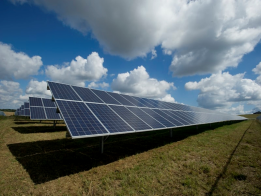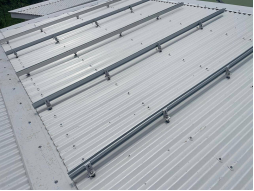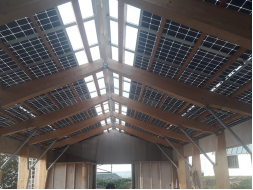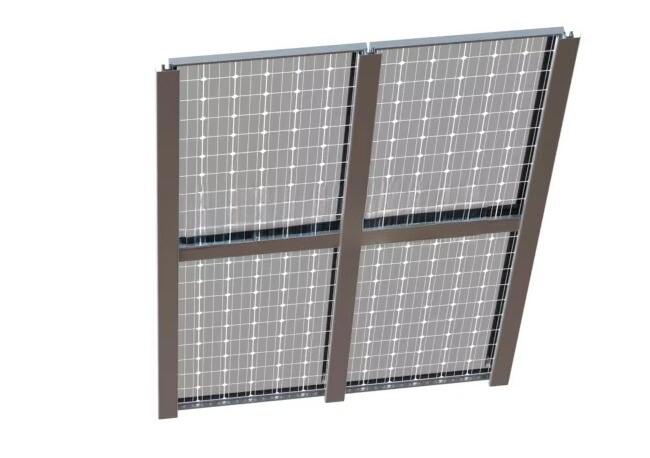
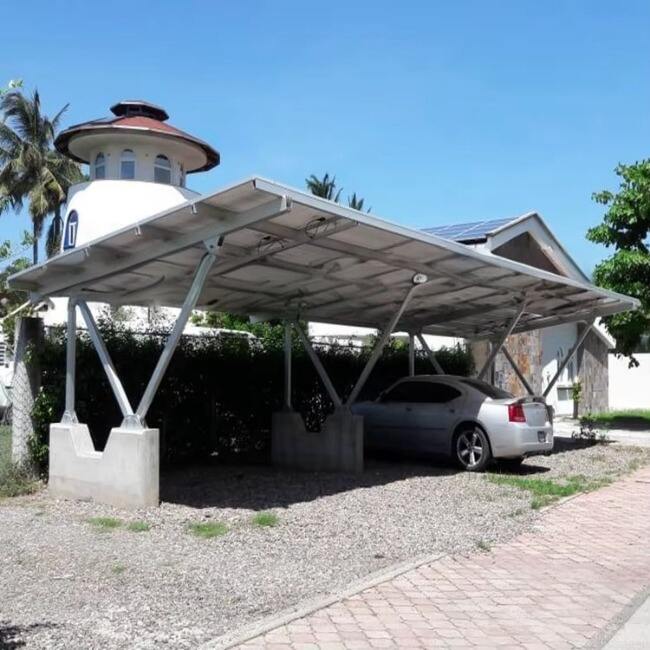
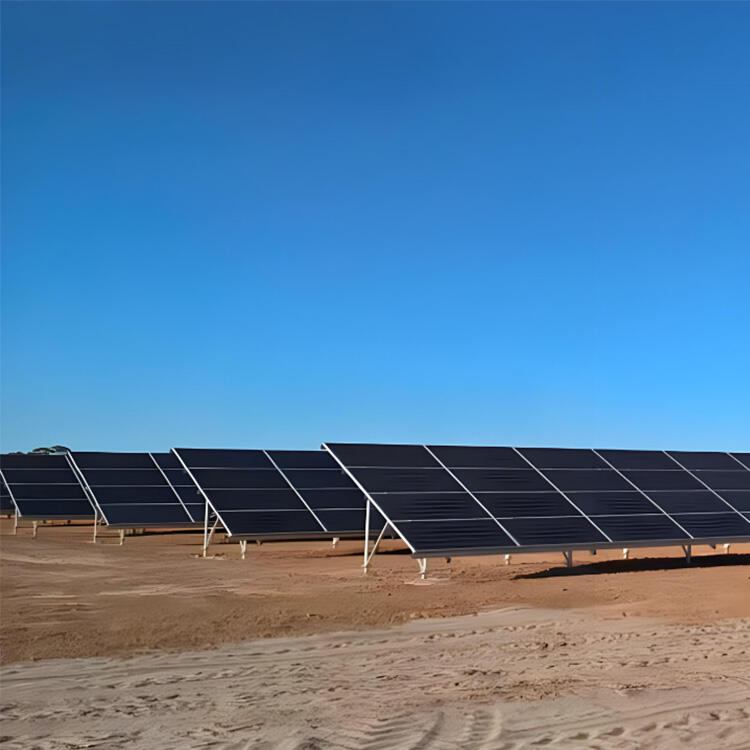
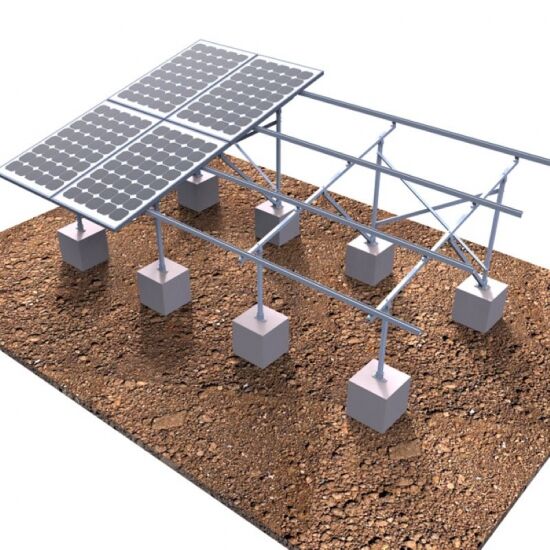
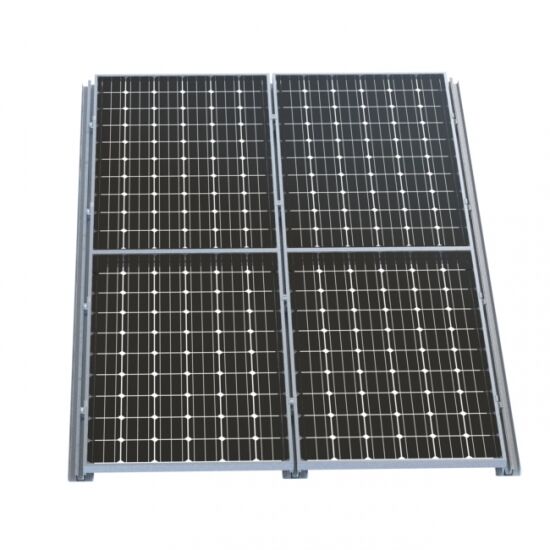
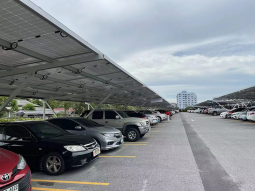
Solar fixing systems with screws are comprehensive hardware kits designed to secure solar panels, rails, and brackets to mounting surfaces, using screws as the primary fastening method. These systems are tailored to various installation types—rooftop, ground, or carport—and include screws, washers, anchors, and sometimes sealants, ensuring a secure, weather-resistant connection. The screws themselves are specialized: typically made from stainless steel (304 or 316) for corrosion resistance, with thread designs optimized for the mounting surface (e.g., wood screws for roof rafters, concrete screws for ground footings, or self-tapping screws for metal rails). Lengths vary (30–150mm) to penetrate sufficiently without over-penetration, and heads are often hex or Torx for secure driving with power tools. Washers (EPDM or metal) are included to distribute pressure, preventing surface damage and enhancing waterproofing. For roof installations, solar fixing systems with screws may include roofing screws with neoprene washers that create a seal when driven into shingles or metal, reducing leak risks. Ground systems use concrete anchors (expansion or wedge) paired with screws to secure brackets to footings. Installation steps emphasize torque control (typically 8–15 N·m) to avoid over-tightening, which can strip threads or warp components. Compliance with standards like ISO 898-1 (for screw strength) and ASTM F1554 (for anchor bolts) ensures reliability. These systems balance ease of use—screws are familiar to installers—with performance, providing a cost-effective solution for securing solar components. While non-penetrative options exist, solar fixing systems with screws remain popular for their strength in high-load applications, proving that traditional fastening methods can still excel in renewable energy installations.