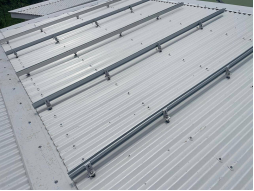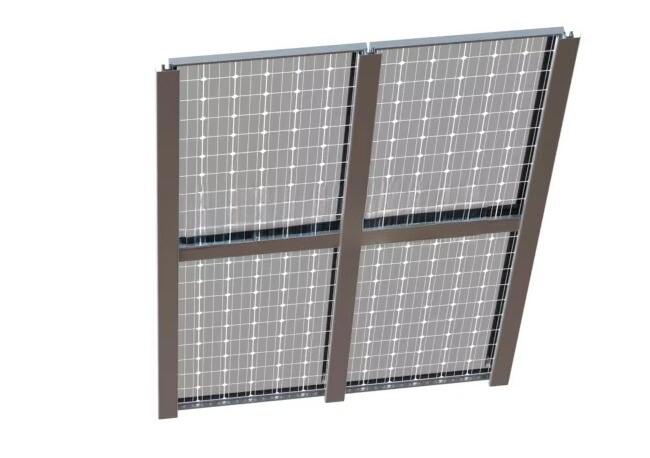
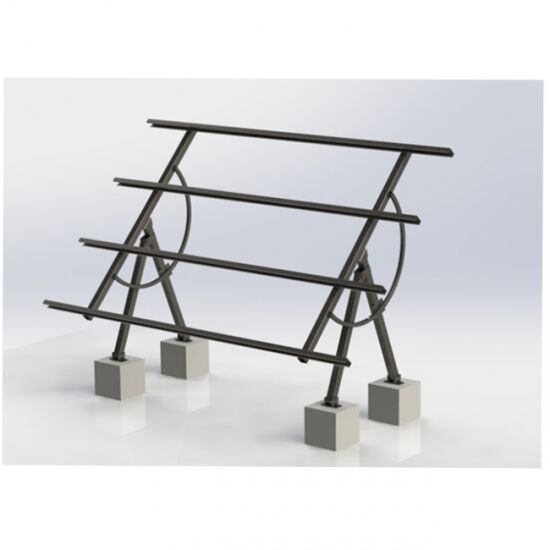

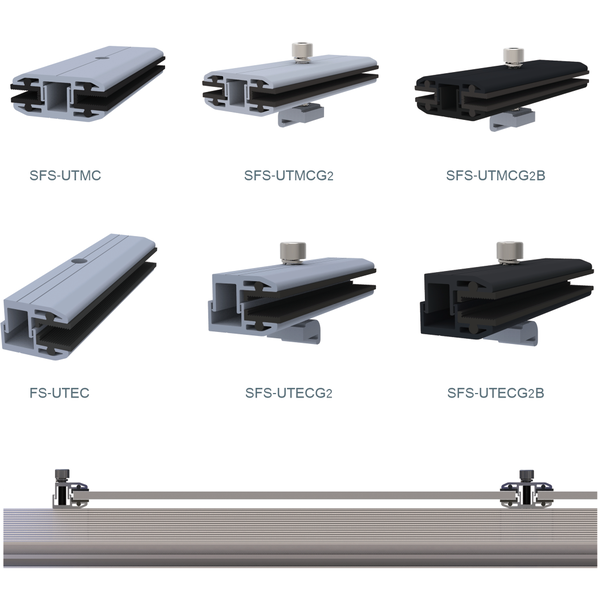

Solar roof mounting flashing is a waterproofing component designed to seal gaps between solar bracket penetrations and roof surfaces, preventing water leakage and protecting the building’s interior. Used primarily in rooftop solar installations, flashing is critical for roofs with shingles, tiles, or metal—surfaces where bracket installation creates potential entry points for rain, snow, or condensation. Constructed from durable materials like aluminum (0.032–0.063 inches thick), copper, or galvanized steel, flashing is shaped to match the roof’s profile: for example, flat for asphalt shingles, contoured for clay tiles, or curved for metal roofs. Its design includes a base plate that sits flush against the roof and a vertical collar that surrounds the bracket, with a built-in slope to channel water away from the penetration. Many models feature a butyl rubber or EPDM gasket bonded to the base plate, creating a tight seal between the flashing and roof when compressed by the bracket. Installation involves placing the flashing over the pre-drilled hole (for penetrative mounts) or around the bracket (for non-penetrative designs), then securing it with roofing nails or screws (sealed with sealant) to prevent movement. For tile roofs, flashing may include a “tile hook” that fits under adjacent tiles, preserving the roof’s natural water barrier. Compliance with standards like ASTM D412 (for rubber gaskets) and UL 1897 (for flashing performance) ensures durability against UV radiation, temperature cycles, and chemical exposure from roof cleaners. Properly installed solar roof mounting flashing not only protects the building from water damage but also maintains the roof’s warranty, making it an indispensable step in rooftop solar installations—where a single leak can compromise the entire system’s value.