
 EN
EN



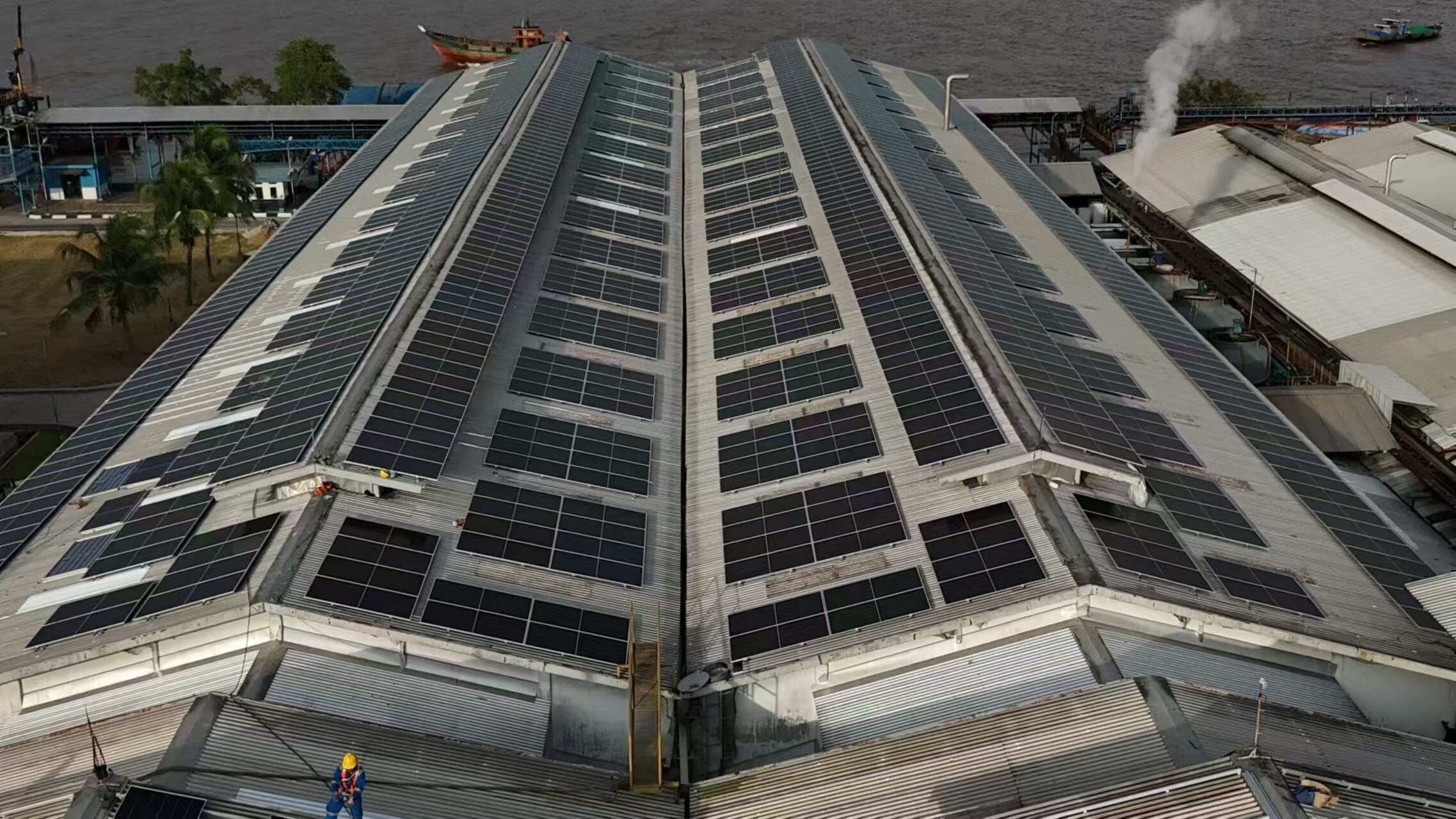
Why Installation Efficiency Is Becoming a Key Competitive Factor
As the global solar market continues to expand, EPC contractors and system integrators are facing increasing pressure to deliver projects faster while maintaining cost control and system reliability.
In many cases, project delays are not caused by major components like modules or inverters—but by something far more fundamental:
The photovoltaic mounting system.
A poorly optimized mounting structure can slow down installation, increase labor dependency, and create unnecessary complexity on site. For companies managing multiple rooftop projects, even small inefficiencies can significantly impact overall profitability.
The Real Challenge: Complexity on the Rooftop
Rooftop solar projects are rarely standardized. In real-world applications, installers often deal with:
- Different roof types and structural conditions
- Tight construction schedules
- Limited on-site resources
- Environmental factors such as corrosion and wind load
When mounting systems are not designed with these realities in mind, installation teams are forced to spend extra time on adjustments, which leads to:
- Longer installation timelines
- Higher labor costs
- Increased risk of errors
In short, complexity on the rooftop directly translates into higher project costs.
What Defines an Efficient PV Mounting System?
To improve installation efficiency, mounting systems must go beyond basic structural support. They should be designed to simplify the entire installation process.
1. Simplified Structural Design
Efficiency starts with simplicity.
Well-engineered mounting systems reduce unnecessary components and streamline assembly steps. Key design features include:
- Pre-assembled parts to reduce on-site work
- Optimized rail and clamp configurations
- Logical and consistent component connections
This allows installation teams to work faster and more consistently, even across different projects.
2. Adaptability to Different Rooftop Types
Flexibility is essential for scalability.
An efficient mounting system should be compatible with a variety of rooftop structures commonly found in commercial and industrial projects, such as:
- Metal roofs with different profiles
- Flat concrete roofs
- Pitched rooftops
This adaptability helps EPC companies standardize their approach, reducing both design time and inventory complexity.
3. Material Reliability for Long-Term Performance
Durability supports efficiency over time.
High-quality materials not only ensure structural safety but also reduce long-term maintenance risks. Common best practices include:
- Using aluminum alloy for lightweight yet strong structures
- Applying stainless steel fasteners for corrosion resistance
Reliable materials mean fewer failures, fewer replacements, and more predictable system performance.
4. Clear and Practical Installation Guidance
Even the best design needs clear execution.
For mounting system suppliers, providing detailed and practical documentation is just as important as the product itself.
At Sunforson, we focus on:
- Clear installation manuals
- Accurate product drawings and specifications
- Technical support for project-specific requirements
It is important to note that Sunforson supplies mounting systems and provides technical guidance, while installation is carried out by clients or their contractors.
This approach ensures flexibility while still supporting efficient and accurate project execution.
Industry Insight: Mounting Systems as a Value Driver
The role of mounting systems in solar projects is evolving.
What was once considered a basic structural component is now recognized as a key factor influencing:
- Installation speed
- Labor efficiency
- Overall project cost
- Long-term system reliability
As competition increases, EPC companies are paying closer attention to these factors, making mounting system selection more strategic than ever.
Practical Benefits for EPC and System Integrators
By choosing well-designed mounting systems, project stakeholders can achieve:
- Faster and more predictable installation timelines
- Reduced on-site complexity
- Lower labor dependency
- Improved consistency across multiple projects
Ultimately, this leads to better project control and improved profitability.
Why Sunforson
Sunforson specializes in photovoltaic mounting systems, with a focus on delivering solutions that are both practical and reliable.
Our strengths include:
- Dedicated expertise in PV mounting structures
- Continuous product optimization based on real project feedback
- Stable supply capability for international markets
- Professional technical documentation and support
We work with EPC companies, distributors, and system integrators worldwide to support efficient solar project execution.
Conclusion: Efficiency Starts with the Right Foundation
In rooftop solar projects, efficiency is not just about speed—it is about reducing complexity, improving consistency, and ensuring long-term reliability.
And it all starts with the right mounting system.
Get Expert Support for Your Next Project
Looking to improve installation efficiency in your upcoming solar projects?
Contact Sunforson to receive tailored mounting system recommendations and professional technical support.
Table of Contents
- Why Installation Efficiency Is Becoming a Key Competitive Factor
- The Real Challenge: Complexity on the Rooftop
- What Defines an Efficient PV Mounting System?
- Industry Insight: Mounting Systems as a Value Driver
- Why Sunforson
- Conclusion: Efficiency Starts with the Right Foundation
- Get Expert Support for Your Next Project